
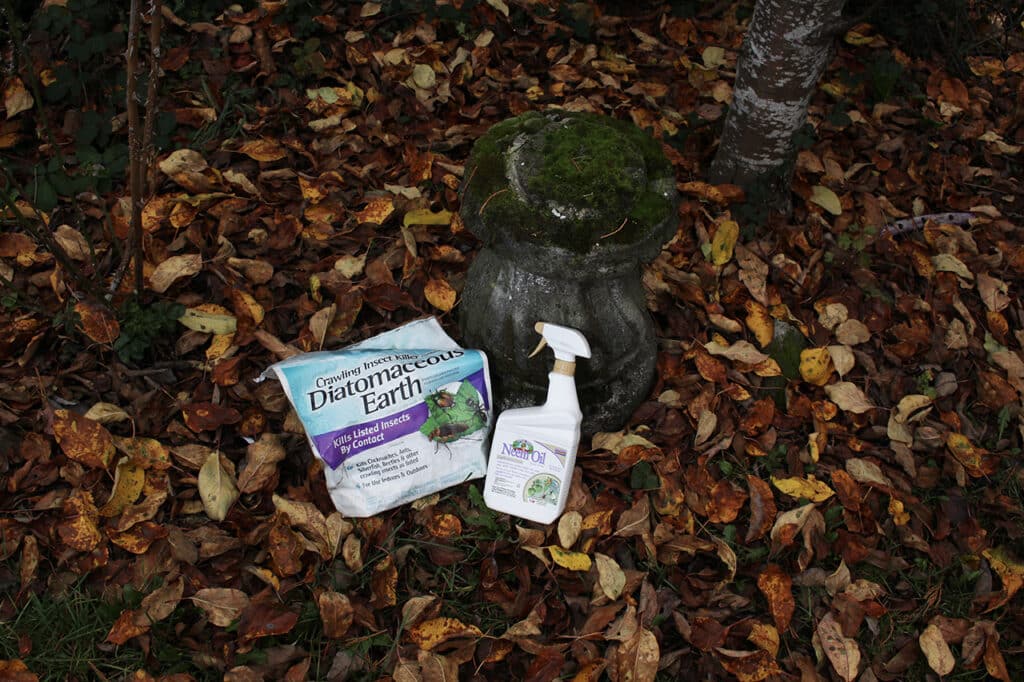
Finding natural pest control that’s safe for pets isn’t just a nice-to-have it’s essential when your furry friends are running around the garden! Garden pests can destroy your hard work in days, and chemical pesticides pose serious risks to dogs and cats who love to dig, roll, and explore treated areas.
The challenge? Many gardeners assume natural pest control products that are safe for pets don’t actually work. That’s simply not true anymore! Modern natural solutions are highly effective when used correctly, and they won’t send you running to the vet with a sick pet.
This guide covers seven proven natural pest control products that eliminate common garden pests while keeping your pets safe. From neem oil to copper barriers, these solutions work without the toxic chemicals found in conventional pesticides.
Article Features
Jump to any product:
- Neem Oil
- Diatomaceous Earth
- Insecticidal Soap
- Beneficial Nematodes
- Sticky Traps
- Bt Spray
- Copper Barriers
Why Natural Pest Control Matters for Pet Owners
Pets don’t understand boundaries. They roll in grass, dig in soil, and lick their paws afterward, it’s just what they do.
Synthetic pesticides create a toxic obstacle course in your backyard. Common symptoms of pesticide exposure in pets include excessive drooling, vomiting, tremors, and in severe cases, seizures. Many organophosphate pesticides can cause serious neurological issues.
Natural pest control eliminates these risks entirely. Plus, it’s often more cost-effective in the long run. Natural products like neem oil and diatomaceous earth last an entire season and cost less than repeated purchases of chemical sprays.
The environmental benefits matter too. Synthetic pesticides wash into groundwater, kill beneficial insects like bees and butterflies, and accumulate in soil over time. Natural alternatives break down safely without harming the ecosystem.
**Price Guide:** Throughout this guide, you’ll see price symbols: $ = Under $15 | $$ = 15-$30 | $$$ = Over $30. *Prices and availability subject to change. As an Amazon Associate, we earn from qualifying purchases.*
1. Neem Oil for Aphids and Mites
What It Kills: Aphids, whiteflies, spider mites, mealybugs, and fungal issues like powdery mildew
Neem oil disrupts insect life cycles and prevents pests from feeding properly. The active ingredient, azadirachtin, interferes with insect hormones so they can’t reproduce or develop normally.
This makes it effective against a wide range of soft-bodied pests and even some fungal diseases. It’s a first-line defense for many common garden problems.
How to Use It:
- Mix 2 tablespoons neem oil + 1 teaspoon mild soap per gallon of water
- Spray in early morning or evening (never in temperatures above 90°F)
- Cover undersides of leaves where pests hide
- Reapply every 7-14 days for active infestations
Pet Safety:
Once dried completely, neem oil is safe for pets. Apply in the evening and keep pets away until morning. The dried product poses no toxicity risks.
Important: Use cold-pressed neem oil with at least 70% concentration. Cheaper clarified versions lack the active pest-control ingredient.
PREVIEW | PRODUCT | NEEM CONCENTRATION | BEST FOR | PRICE | BUY NOW |
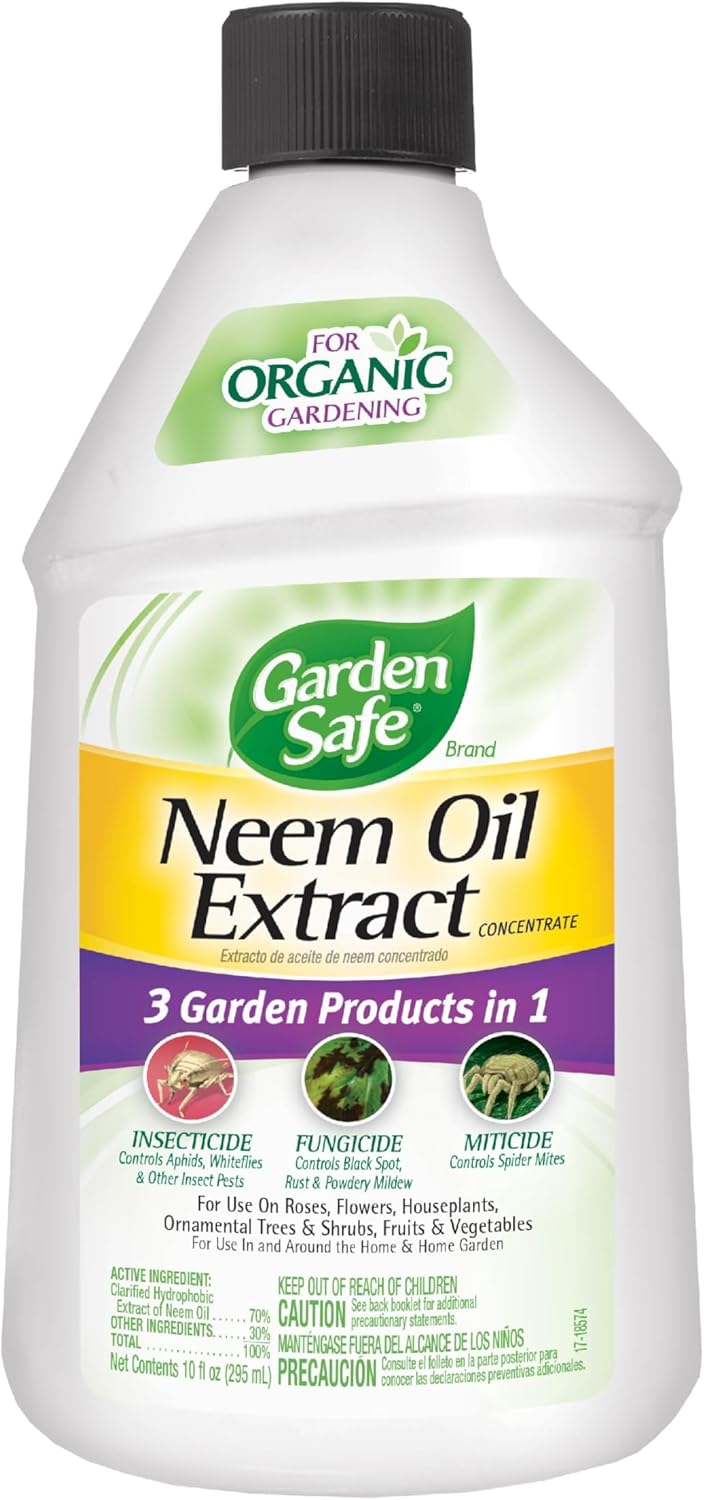
| Garden Safe Neem Oil Extract Concentrate | 70% neem oil | General pest control | $ | |

| Harris Neem Oil Ready-to-Use | Cold-pressed | Beginners, small gardens | $ | |

| Neem Bliss Pure Neem Oil | Cold-pressed | Concentrated potency | $$$ |
2. Diatomaceous Earth for Slugs and Beetles
What It Kills: Slugs, snails, ants, beetles, fleas
Diatomaceous earth (DE) consists of fossilized algae with microscopic sharp edges. These edges scratch insect exoskeletons and absorb the waxy coating that retains moisture, causing pests to dehydrate.
DE works mechanically, not chemically, making it impossible for pests to develop resistance. It’s particularly effective for crawling insects and mollusks.
How to Use It:
- Apply a thin, even layer using a hand duster
- Create barriers around plant bases
- Apply when no rain is forecasted
- Reapply after rain once the DE dries (it works again when dry)
Pet Safety:
Food-grade DE is safe for pets once settled. Keep pets away during application as the dust can irritate lungs. Once it settles on surfaces, pets can walk through it safely.
Critical: Always purchase FOOD-GRADE diatomaceous earth. Pool-grade or filter-grade DE contains crystalline silica which is dangerous to breathe.
Note: DE kills beneficial insects also, so avoid applying it near flowering plants or areas with helpful predator insects.
PREVIEW | PRODUCT | WEIGHT | TYPE | PRICE | BUY NOW |

| Harris Diatomaceous Earth with Duster | 4 lbs | Powder, duster included | $$ | |

| Safer Home Diatomaceous Earth | 4 lbs | Food-grade powder | $$ | |

| Garden Safe Diatomaceous Earth Crawling Insect Killer | 4 lbs | Powder | $ |
3. Insecticidal Soap for Soft-Bodied Pests
What It Kills: Aphids, whiteflies, spider mites, thrips, mealybugs
Insecticidal soap breaks down the protective outer coating on soft-bodied insects. Once compromised, these pests lose moisture and die. It’s a contact killer, meaning it must hit the pest directly to work.
This makes it ideal for visible infestations where you can spray pests directly. It leaves no toxic residue and breaks down quickly.
How to Use It:
- Spray until plants are dripping wet
- Cover undersides of leaves thoroughly
- Apply in early morning or evening (never in full sun)
- Reapply every 4-7 days for heavy infestations
- Test on a small area first for sensitive plants
Pet Safety:
Safe for pets once dried. No toxic residue remains after the soap dries. Pets can return to treated areas within hours.
Commercial insecticidal soaps are formulated to be effective against pests while remaining gentle on most plants. They work better than DIY soap solutions and are less likely to cause leaf burn.
PREVIEW | PRODUCT | TYPE | SIZE | PRICE | BUY NOW |

| Safer Brand Insect Killing Soap | Ready-to-use | 32 oz spray | $$ | |

| Garden Safe Insecticidal Soap | Ready-to-use | 32 oz spray | $ | |

| NATRIA Insecticidal Soap | Ready-to-use | 1 gallon | $$ |
4. Beneficial Nematodes for Soil Pests
What They Kill: Grubs, fungus gnats, root weevils, Japanese beetle larvae, soil-dwelling pest larvae
Beneficial nematodes are microscopic roundworms that hunt and parasitize soil-dwelling pests. They enter pest larvae through natural body openings and release bacteria that kills the host within 24-48 hours.
These nematodes are completely harmless to plants, pets, humans, and beneficial insects. They only target specific soil pests.
How to Use Them:
- Mix with water according to package directions
- Apply to moist soil in early morning or evening
- Water the area before and after application
- Keep soil moist for 2 weeks after application
- Store unused nematodes in the refrigerator
- Apply in spring and fall for best results
Pet Safety:
Completely safe for pets, children, and beneficial wildlife. These microscopic organisms only affect target pests. Pets won’t even notice their presence.
Timing matters: Apply when soil temperature is between 55-85°F. Nematodes become inactive in very cold or hot soil.
PREVIEW | PRODUCT | COUNT | TARGET PESTS | PRICE | BUY NOW |
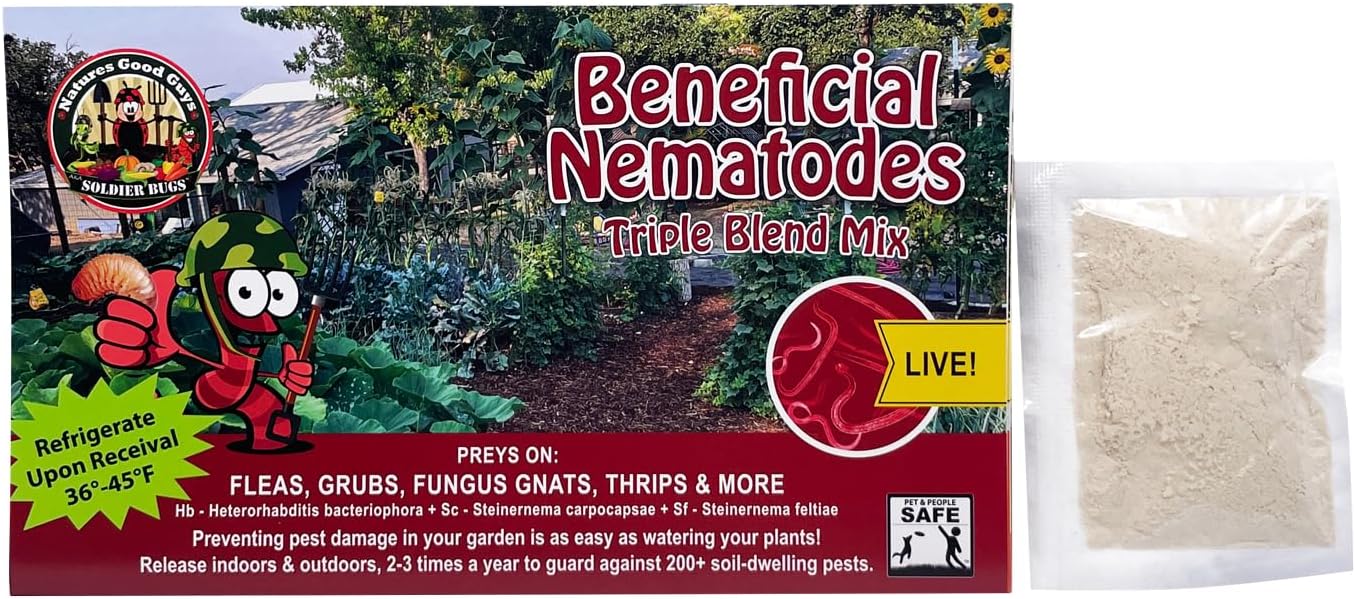
| NaturesGoodGuys Beneficial Nematodes Triple Blend Pack | 5 million | Grubs, fungus gnats | $$ | |
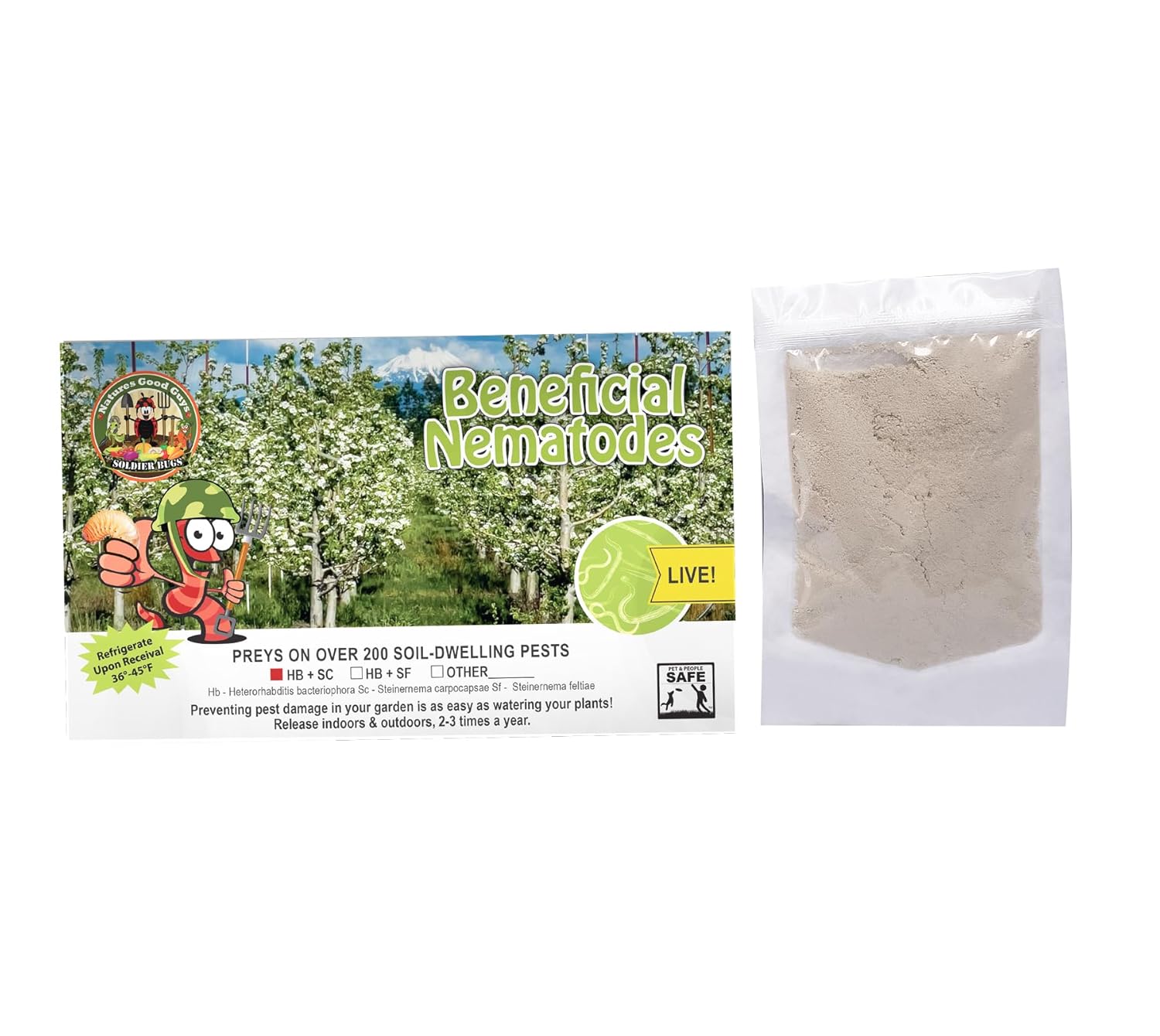
| Bug Sales Beneficial Nematodes Hb+Sc | 25 million | Fleas, fly larvae | $$ |
5. Sticky Traps for Flying Insects
What They Catch: Fungus gnats, aphids, whiteflies, thrips, leafminers, fruit flies
Sticky traps use color to attract flying pests. Yellow attracts most flying insects, while blue specifically targets thrips. The adhesive captures pests on contact.
These traps work best for monitoring pest populations and catching low to moderate numbers of flying insects. They help you identify problems early.
How to Use Them:
- Place yellow traps near affected plants
- Hang at plant height or slightly above
- Use blue traps for thrips on flowers and vegetables
- Replace when fully covered with insects
- Use both indoors and outdoors
Pet Safety:
Zero toxicity, just sticky adhesive. Position traps at plant height to keep them away from curious pets. The adhesive is non-toxic but can be messy if pets or people walk into traps.
Sticky traps won’t solve a major infestation alone, but they’re excellent for early detection and reducing flying pest populations.
PREVIEW | PRODUCT | QUANTITY | BEST FOR | PRICE | BUY NOW |

| Garsum Sticky Fruit Fly Traps | 36-pack | Indoor/outdoor use | $ | |

| Faicuk Yellow Dual-Sided Sticky Fly Traps | 30-pack | Aphids, Fungus Gnats, Leaf Miners | $ | |

| Landisun Fruit Fly Traps | 24-pack | Gnat, Mosquito, Thrip, White Fly | $ |
6. Bt Spray for Caterpillars
What It Kills: Caterpillars, cabbage worms, tomato hornworms, loopers, corn earworms
Bt (Bacillus thuringiensis) is a naturally occurring soil bacteria that’s lethal to caterpillars but harmless to everything else. When caterpillars eat Bt-treated leaves, the bacteria produces toxins in their gut that stop feeding and cause death within days.
Different Bt strains target different pests. Bt kurstaki (BTK) works on most caterpillars, while Bt israelensis (BTI) targets mosquito and fungus gnat larvae.
How to Use It:
- Spray when you first notice caterpillar damage
- Apply in late afternoon (UV light degrades Bt)
- Cover all leaf surfaces thoroughly
- Caterpillars must eat treated foliage for Bt to work
- Reapply after rain or every 7-10 days during heavy infestations
Pet Safety:
Completely safe for pets, bees, beneficial insects, birds, and humans. Bt is approved for organic gardening and leaves no harmful residue.
The bacteria only activates in the alkaline gut of caterpillars. It passes through other organisms without effect.
PREVIEW | PRODUCT | TYPE | BT STRAIN | PRICE | BUY NOW |

| Monterey BT – Ready to Spray Bacillus Thuringiensis | Ready-to-spray | BTK (caterpillars) | $$$ | |
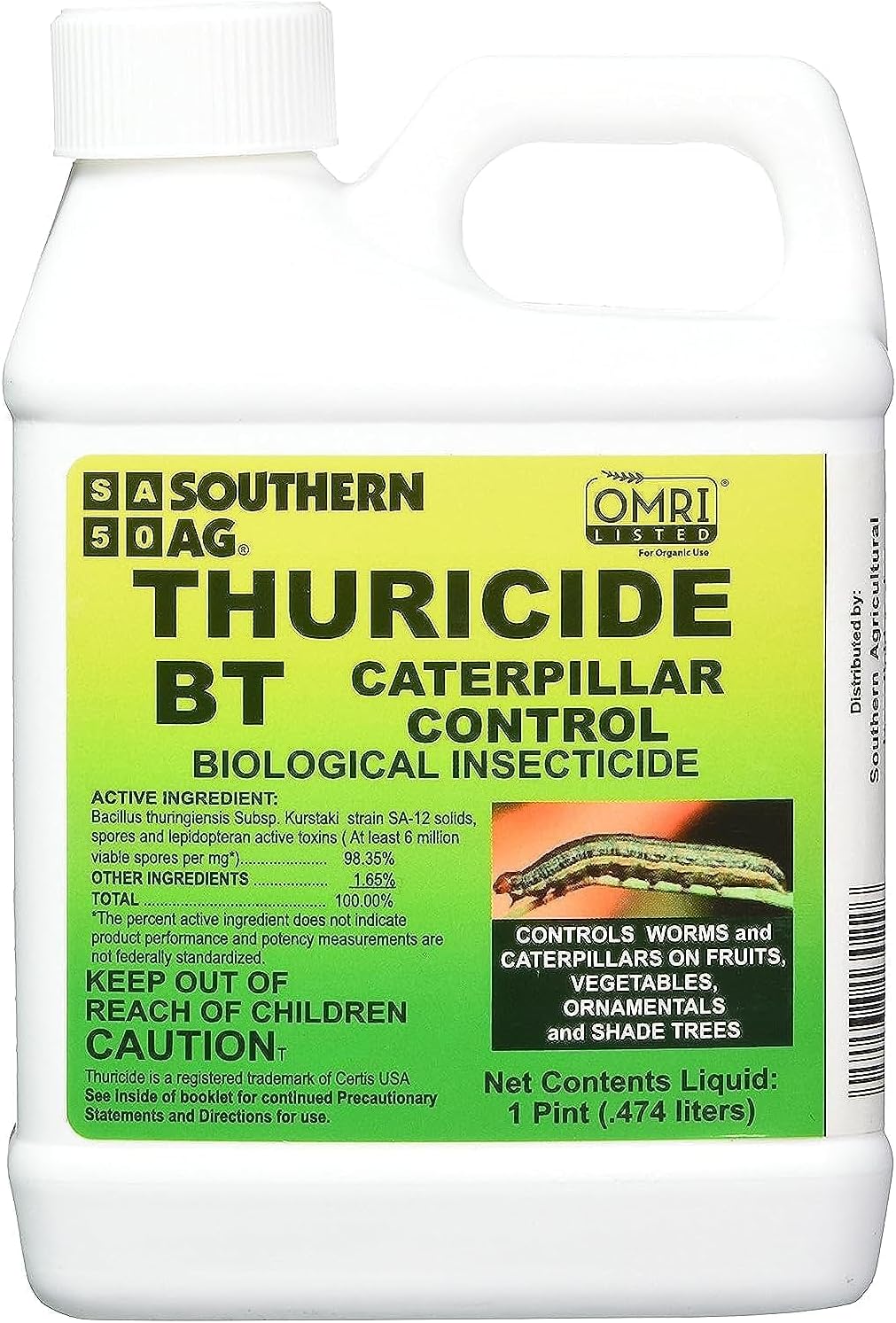
| Southern Ag Thuricide BT Concentrate | Concentrate | BTK (caterpillars) | $$ | |

| Summit Mosquito Bits | Granules | BTI (fungus gnats) | $$ |
7. Copper Barriers for Slugs and Snails
What It Repels: Slugs and snails
Copper creates a mild electrical charge when slugs and snails touch it, causing them to turn back. It’s a physical barrier with no chemicals, sprays, or toxins involved.
Copper barriers provide long-lasting protection. One application can last for years with minimal maintenance.
How to Use It:
- Apply copper tape around pot rims and raised bed edges
- Use copper mesh for larger garden areas
- Ensure no gaps in the barrier
- Clean periodically to maintain effectiveness
- Combine with other methods for heavy infestations
Pet Safety:
Completely safe, it’s just copper metal. No toxicity concerns whatsoever. Pets can touch, lick, or walk over copper barriers without any risk.
Copper works best as a preventive measure. Install barriers before slug and snail problems start for maximum effectiveness.
PREVIEW | PRODUCT | TYPE | SIZE | PRICE | BUY NOW |

| LOVIMAG Copper Foil Tape | Adhesive tape | 33 ft x 2 inch | $ | |

| 3rd Gen Copper Mesh Roll | Mesh wire | 16 ft 4 inch per roll (32 ft total) | $$ |
My Pet Safe Pest Control Strategy
The most effective approach combines multiple products strategically rather than relying on a single solution.
Prevention (Weekly):
- Light neem oil spray on susceptible plants
- Diatomaceous earth barriers around vulnerable plants like hostas
- Sticky traps for monitoring pest populations
Active Problems:
- Insecticidal soap for aphid and whitefly outbreaks
- Bt spray for caterpillar attacks
- Beneficial nematodes for soil pests in spring and fall
Physical Barriers:
- Copper tape on all raised beds and containers
- Additional DE barriers during peak slug season
Staying ahead of problems is key. Once you have a massive infestation, even natural products take time to work. Regular monitoring with sticky traps helps catch problems early.
Final Thoughts
Natural pest control requires slightly more patience than chemical pesticides, but the tradeoff is worth it. These seven products effectively control common garden pests without putting pets at risk.
The products listed here work when used correctly and consistently. They protect gardens without contaminating soil, harming beneficial insects, or creating toxic environments for pets and children.
Start with one or two products that target your specific pest issues, then expand your natural pest control arsenal as needed. Most gardeners find success with a combination approach rather than relying on a single product.
What natural pest control methods work in your garden? Share your experiences in the comments below!