
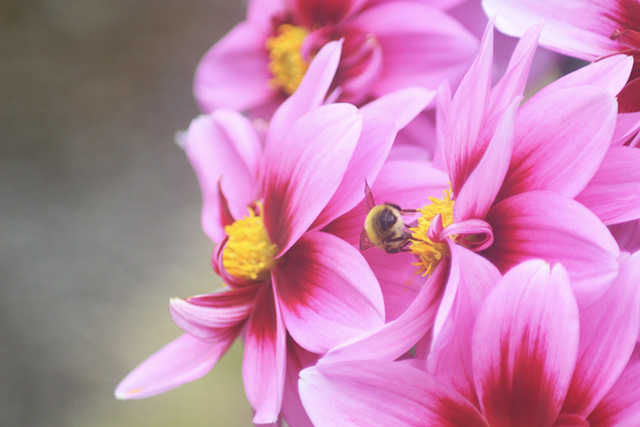
Pollinator populations are crashing. Bee colonies are collapsing, monarch butterflies are disappearing, and beneficial insects are struggling to survive. The good news? Your garden can actually help.
Whether you have a backyard or just a balcony with pots, you can create habitat that supports bees, butterflies, and other pollinators. Here’s how to do it right.
Why Your Garden Actually Matters
The problem: Habitat loss, pesticides, and climate change are decimating pollinator populations.
What you get: A pollinator garden isn’t just charity work. You’ll see bigger vegetable harvests, more flowers, and a garden that practically takes care of itself once established.
The real benefit: Native plants attract pollinators, which means less maintenance, no fertilizers, and plants that actually survive your climate.
Start With Native Plants
This is non-negotiable. Native plants evolved with local pollinators and provide exactly what they need. Non-native ornamentals look pretty but often offer zero food value.
How to find native plants:
- Search “[your state] native plant society”
- Visit local native plant nurseries (not big box stores)
- Use the Audubon Native Plant Database
Top native plants for most regions:
- Coneflowers (Echinacea) – Bees and butterflies love them, bloom all summer
- Black-eyed Susan – Tough, drought-tolerant, feeds dozens of species
- Milkweed – Essential for monarch butterflies (the ONLY plant their caterpillars eat)
- Goldenrod – Late-season nectar source when other flowers are done
- Asters – Fall bloomers that feed migrating butterflies
- Wild bergamot – Hummingbirds and bees can’t resist it
Pro tip: Plant in groups of 3-5 of the same species. Pollinators are more attracted to clusters than scattered individual plants.
Design for Continuous Bloom
Pollinators need food from early spring through late fall. One burst of flowers in June doesn’t cut it.
Plant at least 2-3 species for each season so there’s always something blooming.
🌸 Year-Round Bloom Calendar
Plant at least 2-3 from each season
Ditch the Pesticides
Pesticides kill pollinators. Even “organic” ones. Even the ones labeled “safe for bees.”
What to do instead:
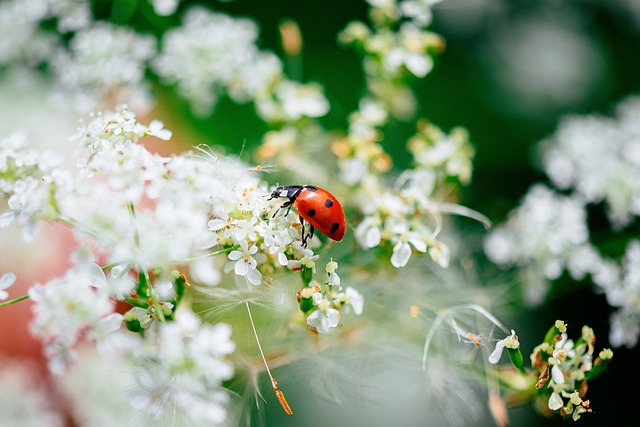
- Let aphids be – ladybugs and lacewings will handle them
- Handpick big pests like tomato hornworms
- Use row covers to protect vegetables
- Accept some leaf damage – perfect plants aren’t the goal
Reality check: A healthy garden has pests. It also has predators that eat those pests. Pesticides wipe out both and leave you fighting the same battles every year.
Provide Water and Shelter
Water sources: Pollinators need shallow water they can land in without drowning. Fill a shallow dish with pebbles and water. Refill it regularly.
Shelter options:
- Leave some bare ground (many native bees nest underground)
- Keep a brush pile or log pile for overwintering insects
- Don’t deadhead everything – seed heads provide winter food for birds
- Let some leaf litter stay – beneficial insects overwinter there
What NOT to do:
- Don’t use landscape fabric (blocks ground-nesting bees)
- Don’t mulch everything to perfection (too tidy = no habitat)
- Don’t cut everything down in fall (leave stems for overwintering insects)
Skip These Common Mistakes
🚫 Don’t Make These Mistakes
Double-Flowered Varieties
Those fancy ruffled petals look pretty but pollinators can’t access the nectar. Stick to single flowers.
Only Planting Annuals
Annuals die every year = constant replanting. Perennials come back stronger and provide consistent food.
Pesticide-Treated Plants
Many nursery plants are pre-treated with systemic pesticides that kill pollinators. Ask before buying.
Invasive “Pollinator” Plants
Butterfly bush looks nice but it’s invasive in many areas and provides zero value to native insects.
Mistake #1: Planting double-flowered varieties Those fancy ruffled petals? Useless to pollinators. They can’t access the nectar. Stick to single-flowered varieties.
Mistake #2: Only planting annuals Annuals die every year, which means you’re replanting constantly. Perennials come back stronger and provide consistent food sources.
Mistake #3: Buying plants treated with neonicotinoids Many nursery plants are pre-treated with systemic pesticides that kill pollinators. Ask before buying, or grow from seed.
Mistake #4: Creating a “butterfly garden” with non-natives Butterfly bush (Buddleia) is pretty but invasive in many areas and provides no value to native insects. Plant native alternatives instead.
What Success Looks Like
Year 1: Not much. Your plants are getting established. You might see a few visitors.
Year 2: Things pick up. Roots deepen, plants bloom more vigorously, and pollinators start finding your garden.
Year 3+: Your garden becomes a hub. Native bees nest, butterflies lay eggs, and you’ll notice you’re getting way more pollinators than your neighbors.
Patience pays off. Native plants are slow starters but become low-maintenance powerhouses once established.
Resources Worth Checking Out
Organizations doing real work:
- Xerces Society – pollinator conservation research and education
- Monarch Joint Venture – monarch butterfly conservation
- Your local native plant society
Avoid:
- Generic “pollinator mix” seed packets (usually non-native annuals)
- Butterfly bush and other invasive “pollinator plants”
- Any product claiming to “save the bees” that involves pesticides
Bottom Line
Stop overthinking it. Plant natives, skip pesticides, provide water, and leave your garden a little messy. Pollinators will find you.
✓ Start Here: Your First Steps
Your garden won’t look like a magazine spread, and that’s the point. A real pollinator garden has seedheads, leaf litter, and bare patches of ground. It looks lived-in because it is.
Start small if you need to—even one milkweed plant helps. Add more each year. Your garden will become a refuge while everyone else is mowing their sterile lawns.