
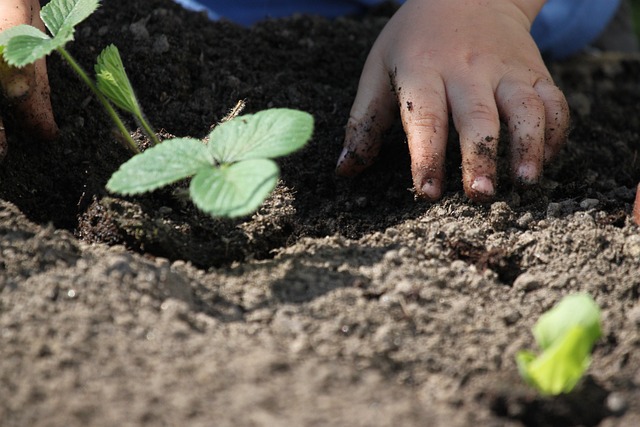
Companion planting is like creating a little community in your garden where plants support each other, share resources, and fend off pests together. Understanding the benefits of companion planting can transform how you approach gardening.
Certain plant combinations can work wonders for your garden. From boosting growth and repelling pests to improving soil quality, companion planting can be a game-changer for any gardener looking to cultivate a thriving and resilient garden ecosystem.
Principles Behind Companion Planting
Mutual Benefits for Plants
Just like humans, plants thrive when they have good company. Some plants release substances into the soil that benefit neighboring plants, while others provide shade or support for climbing vines.
Natural Pest Control
The phrase “the enemy of my enemy is my friend,” is the idea behind using certain plants to repel pests or attract beneficial insects that prey on garden pests. This is one of the many benefits of companion planting. You are setting up a miniature ecosystem in your garden where predators and prey keep each other in check.
Soil Improvement
Certain plant combinations can work wonders for your soil, improving its structure, fertility, and overall health. From nitrogen-fixing plants that replenish soil nutrients to deep-rooted plants that break up compacted soil.
Enhancing Growth Through Companion Planting
Let’s look at some examples of the benefits of companion planting and how it can supercharge the growth and vitality of your garden.
Plant Combinations That Boost Growth
Nitrogen Fixing Plants
Some plants, like legumes, can take nitrogen from the air and convert it into a form that other plants can use. By planting nitrogen-fixing plants alongside nitrogen-hungry crops like tomatoes or peppers, you can naturally replenish the soil’s nitrogen levels and promote healthy growth.
Dynamic Accumulators
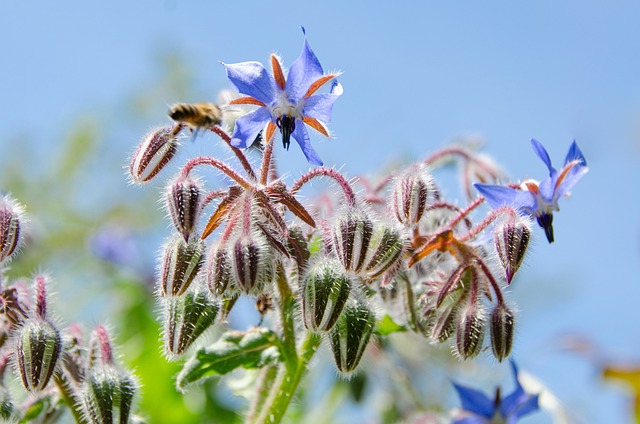
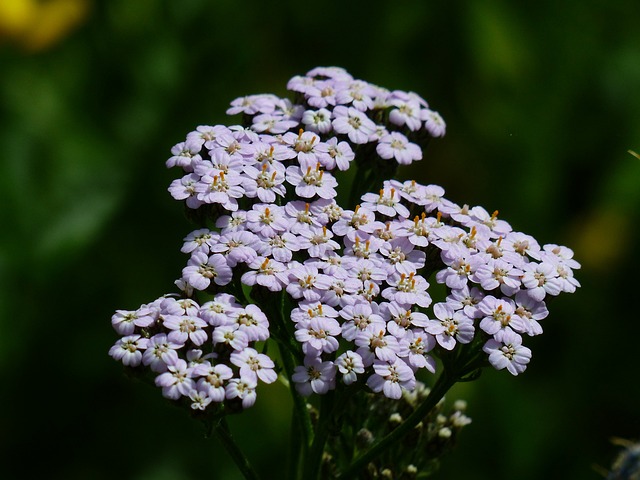
These plants have deep root systems that can mine nutrients from deep within the soil and bring them to the surface where other plants can access them. Examples include comfrey, borage, and yarrow, which can accumulate nutrients like potassium, phosphorus, and calcium.
Allelopathic Plants
Some plants produce chemical compounds that inhibit the growth of competing plants—a phenomenon known as allelopathy. For example, planting aromatic herbs like basil or mint can help suppress weeds and discourage pests from taking up residence in your garden beds.
The Role of Plant Diversity in Companion Planting
Maximizing Space and Resources
Companion planting isn’t just about pairing specific plants together it’s also about maximizing the productivity of your garden space.
By interplanting different species with complementary growth habits, you can make the most of limited space and resources, ensuring that every inch of your garden is working hard for you.
Improving Pollination and Biodiversity
Diversity is the spice of life, and the same goes for your garden! Plant a diverse range of flowers alongside your vegetables, and you will attract a wide variety of pollinators like bees, butterflies, and hummingbirds, ensuring thorough pollination and a healthy ecosystem.
Harnessing the power of strategic plant combinations allows you to create a garden that’s not just beautiful to look at, but bursting with vitality and productivity.
Repelling Pests Naturally
One of the most appealing benefits of companion planting is its ability to naturally deter garden pests without resorting to harmful chemicals.
Repellent Plants
Certain plants boast natural properties to fend off unwanted garden visitors. For instance, aromatic herbs such as basil, rosemary, and thyme emit strong scents that can bewilder and discourage pests from invading your garden.
Therefore, strategically plant these herbs alongside vulnerable crops, and you create a barrier that repels pests and protects your plants.
Trap Crops
Employ a tactical approach by incorporating sacrificial or “trap” crops into your garden layout. These crops serve as bait, luring pests away from your main crops.
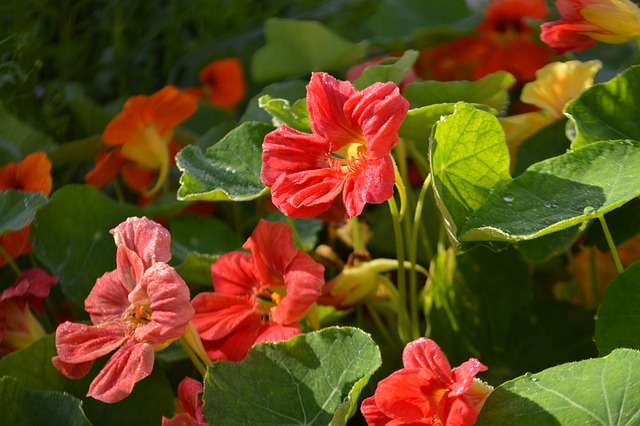
For that reason, consider planting patches of nasturtiums or marigolds near your vegetable garden to attract aphids and other pests, diverting them from your prized plants and effectively acting as decoys.
Masking Scents and Confusion Strategies
Firstly, utilize companion plants that emit odors capable of concealing the scent of desirable crops or confusing pests in their search for host plants.
For instance, strategically planting onions or garlic around susceptible plants can disrupt the pests’ ability to locate their targets, thus deterring insects like aphids and carrot flies from infesting your garden.
Improving Soil Quality
We talked about pest control, but another important aspect of companion planting is improving the quality of your soil.
Nitrogen Fixing Plants and Soil Fertility
As mentioned earlier, certain plants have the remarkable ability to take nitrogen from the air and convert it into a form that other plants can use.
By incorporating nitrogen-fixing plants like legumes into your garden beds, you can naturally enrich the soil with this essential nutrient, promoting healthy growth for your entire garden.
Soil Structure and Moisture Retention
Deep-rooted plants play a crucial role in improving soil structure by breaking up compacted soil and allowing air and water to penetrate deep into the ground.
Additionally, plants like daikon radishes or sunflowers have long taproots that can break through hardpan layers and improve drainage, while also helping to retain moisture during dry spells.
Moreover, yarrow, for instance, increases the essential oil production in herbs, improving their medicinal and culinary qualities, so it would make a great companion to basil, oregano, or thyme.
Weed Suppression and Soil Protection
Some companion plants act as natural mulch, shading the soil and suppressing weed growth. Planting ground cover plants like clover or thyme around your garden beds can help keep weeds at bay while also protecting the soil from erosion and nutrient loss.
Another great thing is that these living mulches contribute to soil health by adding organic matter as they decompose, improving water retention, and providing habitat for beneficial insects.
Implementing Soil-Improving Companion Planting Strategies
Intercropping
Intercropping involves planting different crops together in the same space to maximize soil fertility and productivity. For example, planting shallow-rooted crops like lettuce or spinach alongside deep-rooted crops like carrots or beets can help break up compacted soil and improve overall soil health.
Cover Cropping
Cover cropping involves planting species such as legumes or grasses during the off-season to protect and enrich the soil.
These plants help prevent erosion and nutrient leaching while adding organic matter as they decompose, enhancing soil texture and fertility over time.
You can create a healthy and fertile growing environment that supports robust plant growth and maximizes your garden’s productivity by incorporating soil-improving companion planting strategies in your garden.
Practical Applications of Companion Planting
Let’s look at some ideas on how to put this knowledge into action in our own gardens, whether vegetable or flower-focused.
Companion Planting in Both Vegetable and Flower Gardens
Best Combinations for Popular Vegetables
Certain vegetables thrive when planted alongside specific companion plants. For instance, planting carrots with onions or leeks can help deter carrot flies, while growing tomatoes with basil can enhance tomato flavor and repel pests like aphids and hornworms.
Succession Planting and Crop Rotation
Companion planting can also be incorporated into succession planting and crop rotation plans to maximize yield and minimize pest and disease pressure.
By rotating crops and interplanting different species, you can disrupt pest life cycles and maintain soil fertility over time.
Creating Beautiful and Functional Plant Communities
Companion planting can also be used to create stunning and biodiverse flower beds. For example, planting pollinator-friendly flowers like bee balm, echinacea, and lavender alongside ornamental grasses and ground covers can attract beneficial insects and create a vibrant and dynamic garden ecosystem.
Attracting Beneficial Insects and Birds
Suppose you incorporate a variety of flowering plants with different colors, shapes, and bloom times.
In that case, you can attract many beneficial insects, like bees, butterflies, and ladybugs, that help pollinate flowers and control garden pests. Additionally, providing habitat and food sources for birds can help keep pest populations in check naturally.
Final Thoughts
We’ve explored the benefits of companion planting, including its principles, advantages, and practical applications, revealing how specific plant combinations can boost growth, deter pests, and enrich soil quality.
By leveraging plant relationships and biodiversity, gardeners can establish resilient gardens without resorting to harmful chemicals or intensive upkeep.
Remember to observe, experiment, and adapt to your garden’s unique conditions, and you will foster a thriving and balanced environment.