
Tomatoes are warm-season favorites in many gardens, but getting them to thrive takes more than just dropping seeds in the dirt and hoping for the best.
Cousins to peppers and eggplants, tomatoes come with their own unique needs and quirks.
In this informal and practical conversation, Chris, a seasoned gardener, shares her best tips for how to grow tomatoes. Chris shares her firsthand tips on planting, watering, feeding, and protecting tomato plants from pests and disease.
Tomato Care at a Glance
| Sunlight | 6–8+ hours of direct sun each day |
| Water | Water deeply when the top inch of soil feels dry |
| Soil | Rich, well-draining soil with compost mixed in |
| Support | Install cages or stakes soon after planting |
| Harvest | Pick when fully colored and slightly soft to the touch |
Starting from Seed: Why Containers Work Best
While tomatoes can technically be sown directly in the garden, it’s often better to start them in containers. This gives the plants a strong head start and allows you to control the growing environment more easily.
“Well, the seed is best to me. If you’re going to grow them, it’s best not to put them in the garden right away. Put them in containers; any pot like these will do.”
Sunlight: Give Tomatoes the Light They Love (But Don’t Let Them Burn)
Tomatoes love sun, but they can get scorched in extreme heat. In very hot weather, some kind of light shade may be needed.
“The best is the sun. But they can also get burned too—especially when it’s really hot, like 90 degrees. You can put some shading over them to protect them from getting burned. Still, they’re a sun-loving plant. You can’t grow them in the shade.”
Before you head out to the garden, take a minute to download our free, printable Wicked Bloomers Seasonal Growing Checklist. It’s a simple four-season guide to help you stay on top of important gardening tasks all year long.
Watering: Keep It Consistent, Not Excessive
Tomatoes like regular water, but overwatering can cause problems, especially if the water is pooling at the bottom of the pot.
“You water depending on the size of the pot. Some people say water until it runs out the bottom—no, don’t do that. Just water normally. Every other day is fine if they’re in pots. And if the tomato is going to grow big, it shouldn’t stay in a little pot. You’ll need to move it to a bigger one.”
Common Tomato Growing Mistakes
| Instead of… | Try This |
|---|---|
| Watering a little every day | Water deeply a few times each week |
| Planting in partial shade | Choose the sunniest spot in the garden |
| Waiting to stake plants | Install cages while plants are still small |
| Watering leaves instead of soil | Aim water at the base of the plant |
| Picking tomatoes too early | Wait until they’re fully colored and slightly soft |
Good news: Tomatoes are surprisingly forgiving. Even if you make one or two of these mistakes, healthy plants often bounce back with a little consistent care.
Soil & Feeding: Boost Your Plants Every Few Months
Tomatoes do best in rich, well-fed soil. Store-bought mixes are fine, but you’ll want to supplement them regularly.
“If you buy the premium soil from Home Depot, that’s okay. But you have to feed the tomato every three months. That’s how you keep it growing and producing. Mix food into the dirt when you repot—either organic store-bought or homemade.”
“I use eggshells that I powder down and mix into the soil. That’s good food for the tomato.”
Pests & Disease: How to Defend Your Plants Naturally
Tomatoes are susceptible to pests like aphids, as well as fungal diseases that develop from moisture on leaves. This gardener recommends a DIY spray and a few preventative habits.
“For pests, you can mix a liter of water with a tablespoon of baking soda, a tablespoon of vinegar, and a teaspoon of dish soap. Mix it well and spray it, but only early in the morning or late in the afternoon so the sun doesn’t burn the leaves.”
“Only spray where the bug is, don’t spray the whole plant unless you really have to. If there are no bugs, just spray the plant with water to knock them off, but make sure the plant is strong enough.”
“Please DO NOT spray water on any plant unless it’s in the morning especially tomatoes. Watering the leaves can spread disease. Water the soil, not the leaves. The plant drinks from its roots, not its leaves.”
Favorite Tomato Varieties to Grow
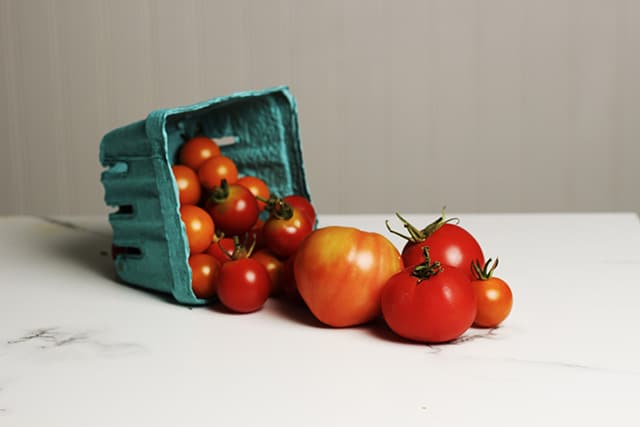
I have a few go-to varieties, depending on how much space is available and what kind of flavor is desired.
“My favorite tomatoes to grow are heirloom tomatoes—they’re the sweetest. Cherokee tomatoes are kind of dark or purplish, but inside they’re deep red and so tasty. I also grow cherry tomatoes in three-gallon pots, beefsteak tomatoes, and a new one I’m trying this year called sandwich tomatoes.”
Final Thoughts
Tomatoes will reward you with sweet, juicy fruit all season long. From cherry-sized snacks to hefty heirlooms, there’s nothing quite like picking a tomato you grew yourself.
Tomatoes thrive with the right companions. For a flavorful pairing, try growing them alongside basil; see our tips on how to grow basil successfully.