
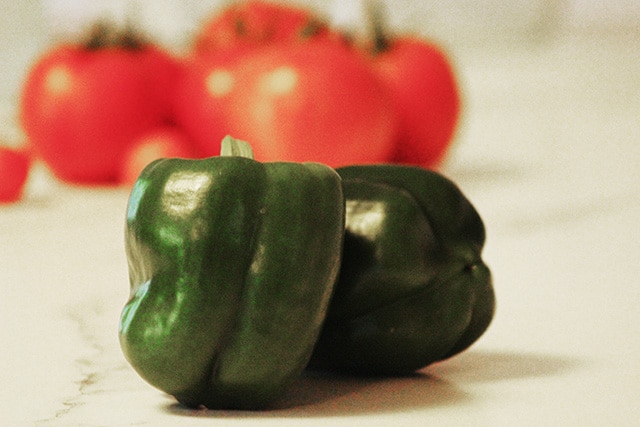
If you’ve ever wondered how to grow peppers or hardy greens like Swiss chard in the Pacific Northwest, here’s a peek into a gardener’s real-world experience. Warm tips, a few kitchen hacks, and personal tricks make this a post you can actually use in your own backyard.
Peppers Are Like Tomatoes
“Bell pepper, any peppers…and eggplant, how to take care of them is the same as tomato.”
Peppers, tomatoes, and eggplants all share the same basic needs: sun, warmth, and good nutrition. That means if you already know how to care for tomatoes, peppers are basically old friends. One big tip? Calcium. It prevents blossom end rot, the dark, frustrating spot that shows up on your fruits.
You don’t need to buy expensive supplements. Save your eggshells! Boil them for a few minutes to kill any sneaky bacteria, crush them into a powder, and mix them into the soil. Even the water you boiled them in is full of calcium. Let it cool and give it to your plants.
Unpasteurized milk or seashells can also help, but garlic skins? Not so much. Garlic itself, though, can prevent fungus, so keep it in your garden toolkit.
Bell Peppers: Easy and Beginner-Friendly
“Would you say that a bell pepper is a good beginning? … Good for a beginner gardener, yeah!”
Bell peppers are forgiving, colorful, and satisfying. They need warmth, so starting seeds indoors near a sunny window gives them a head start. By the time spring rolls around, your seedlings are ready to face the outdoors, giving you a better shot at a full summer harvest.
Peppers come in all colors: green, red, yellow, and orange. Green peppers turn red when mature, which is perfect if you want to save seeds. But a heads-up: some people’s bodies don’t take to yellow or orange peppers. Taste, digestive tolerance: everyone’s different. It’s worth experimenting to see what works for you.
Mild vs. Hot Peppers
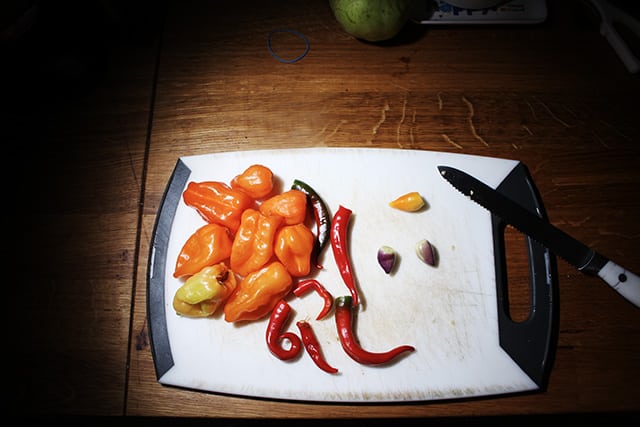
Pictured above is a medley of hot peppers—habanero, cayenne, and Bolivian rainbow peppers—used for our special and very tasty hot sauce.
While I love the challenge of a hot pepper, Chris says:
“I only use bell pepper… I like mild… every time I try to go find seeds, they’re all hot.”
Not everyone wants a fiery harvest. If mild is your style, bell peppers are the way to go. Hot peppers can be fun, but for everyday meals and easy growing, mild varieties keep things simple. Finding seeds can be tricky in stores, so online catalogs might be your best bet.
Swiss Chard: The Garden’s Easygoing Star
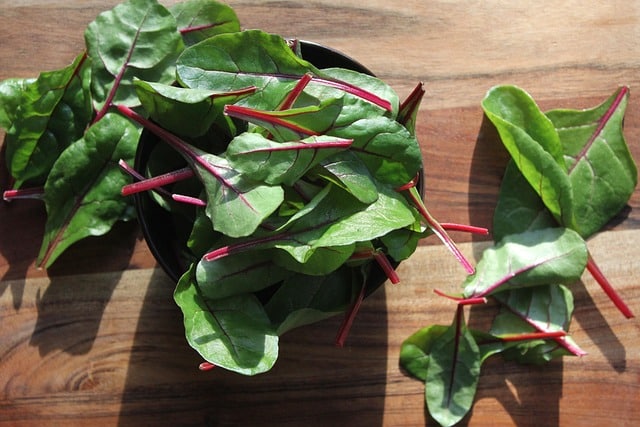
“Swiss chard is easiest… you just grow it one time, you don’t have to grow again.”
Swiss chard is a dream for Pacific Northwest gardens. Unlike peppers, it doesn’t need indoor starting; you can sprinkle seeds directly into the soil. Mixing the tiny seeds with a bit of sand helps prevent clumping, so you don’t have to spend ages thinning them later.
Swiss chard thrives in cooler, shaded spots and tolerates rainy weather beautifully. Full sun can burn its leaves, so look for east-side garden beds or shaded areas. Water as needed—don’t overdo it, but don’t let it dry out either.
Harvesting and Cooking Swiss Chard
Swiss chard leaves are soft and cook like spinach, while the stems need a bit more attention. Peel or slice them thinly to avoid chewing forever on fibrous bits. Toss it in sautés, soups, or steam it as a side—simple, versatile, and nutritious.
“You can cook it any way you want it… the stem you have to peel just like celery.”
Placement Matters in the Garden
Even small gardens have microclimates. Peppers love sun and warmth, Swiss chard prefers shade and consistent moisture. Please pay attention to how plants respond and adjust their location. Sometimes a plant isn’t struggling because you did anything wrong, it’s just in the wrong spot.
“Every area in your yard or house, there’s a place for a different plant… it’s in the wrong area.”
Quick Tips for Pacific Northwest Gardeners
- Start peppers indoors to give them a jump on the short growing season.
- Save eggshells or use unpasteurized milk for calcium-rich soil.
- Mix Swiss chard seeds with sand to prevent overcrowding.
- Keep Swiss chard in partial shade to avoid leaf burn.
- Experiment with pepper colors and types to see what your body and taste buds prefer.
Garlic makes a great companion for peppers. Learn how to add it to your garden with our post on growing garlic at home.