
How often should you water indoor plants? It’s one of the most common questions new plant owners ask, and the answer isn’t as simple as watering on the same day every week.
Different plants, pot sizes, seasons, and even the humidity in your home all affect how quickly soil dries out. Learning to recognize when your plants actually need water is the key to keeping them healthy and thriving.
What Affects How Often Plants Need Water?
Several factors determine watering frequency. They all work together, which is why there’s no one-size-fits-all answer.
Plant Type
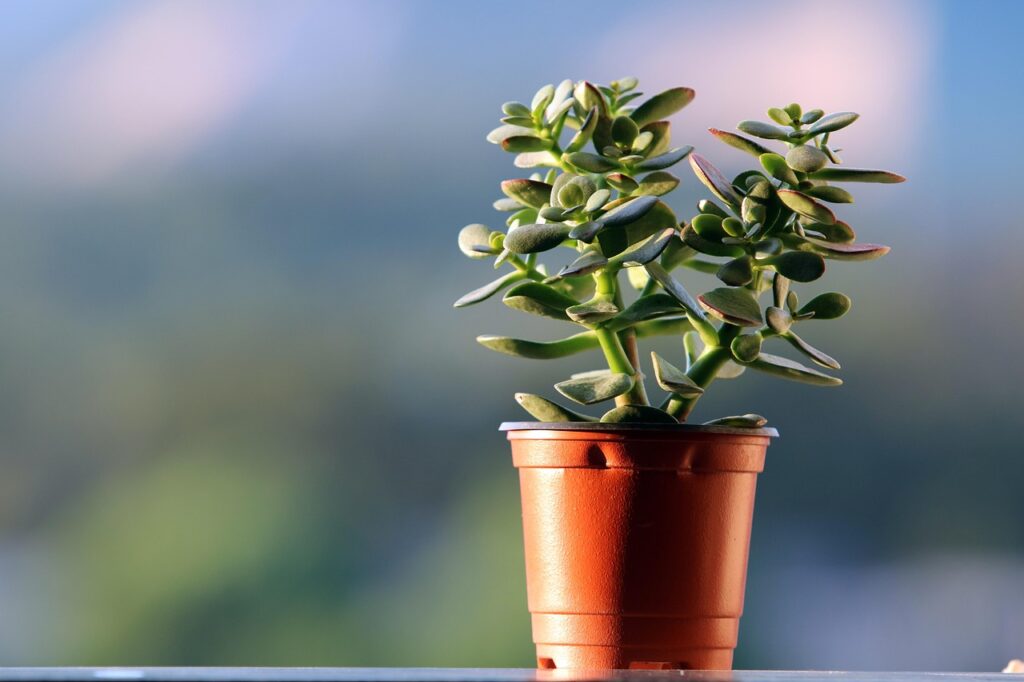
Succulents and cacti store water in their leaves, so they can go weeks without watering. Tropical plants like ferns and calatheas prefer consistently moist soil. Knowing your plant’s natural habitat tells you a lot about its water needs.
Pot Size and Material
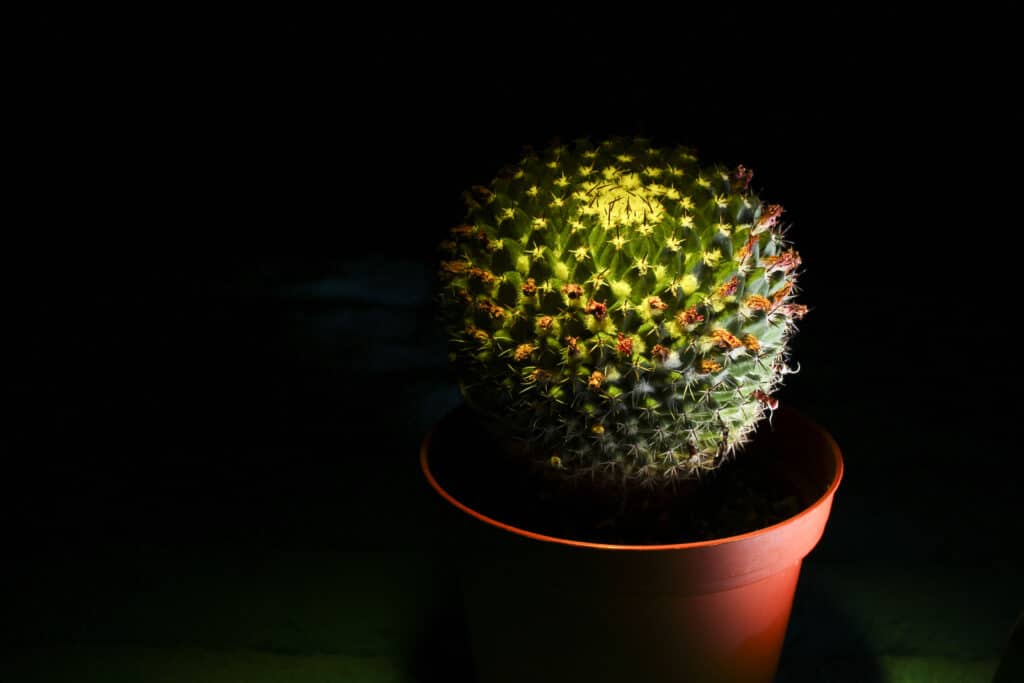
Small pots dry out faster than large ones because there’s less soil to hold moisture. Terra cotta pots are porous and wick moisture away from soil, meaning plants dry out quicker. Plastic and glazed ceramic pots retain moisture longer.
Light and Temperature
More light means more water usage through photosynthesis. Plants in bright, sunny windows need water more frequently than those in low light. Warmer rooms also increase water needs, while cooler spaces slow things down.
Season and Growth Stage
Plants use more water during active growing seasons (spring and summer) and less during dormancy (fall and winter). A plant that needs weekly watering in summer might only need it every two weeks in winter.
Humidity Levels
Dry indoor air, especially during winter heating, causes soil to dry out faster. Higher humidity means plants can go longer between waterings.
General Watering Guidelines by Plant Type
Every plant is different, but these guidelines give you a starting point.
| Plant Category | When to Water | Examples | Summer Frequency | Winter Frequency |
|---|---|---|---|---|
| High-Water Plants | Top inch of soil is dry | Ferns, Peace lilies, Pothos, Spider plants | Every 5-7 days | Every 7-10 days |
| Moderate-Water Plants | Top 2 inches of soil is dry | Snake plants, Rubber plants, Philodendrons, Dracaena | Every 7-10 days | Every 10-14 days |
| Low-Water Plants | Soil is mostly dry | Succulents, Cacti, ZZ plants, Aloe vera | Every 2-3 weeks | Every 3-4 weeks |
Pro Tip: These are starting points, not rules. Your home’s conditions (light, temperature, humidity) can shift these timelines significantly. Always check the soil before watering.
How to Tell When Plants Need Water
Forget rigid schedules. Check your plants instead.
The Finger Test
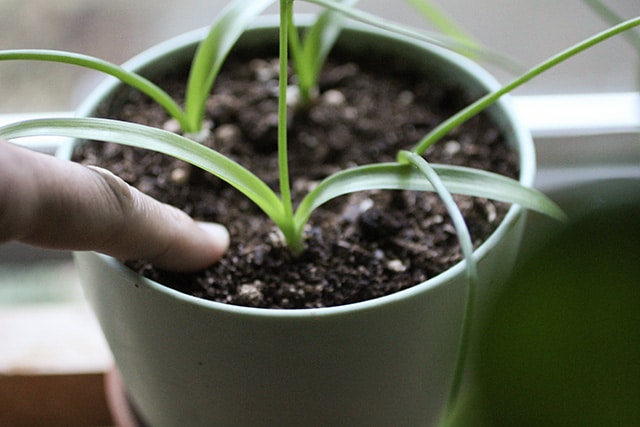
If you’re unsure whether your plant needs water, try the finger test by checking the top inch or two of soil. You can also learn more about how different houseplants respond to watering from the University of Minnesota Extension, which offers practical guidance for growing healthy indoor plants.
⚠️ Common Mistake: Don’t just check the surface. Soil can be dry on top but still wet underneath, especially in larger pots. Always check deeper.
Weight Method
Lift the pot. A dry pot feels noticeably lighter than a freshly watered one. Once you get familiar with your plants, this becomes the fastest way to check.
Visual Cues
Slightly drooping leaves often indicate thirst, but don’t wait for dramatic wilting. Some plants’ leaves lose their glossy appearance when they need water. Check the soil to confirm before watering.
Moisture Meters
These inexpensive tools take the guesswork out of watering. Insert them into the soil and they’ll tell you if it’s wet, moist, or dry. They’re especially helpful for larger pots where surface soil might be dry but deeper soil is still wet.
Before you head out to the garden, take a minute to review our Wicked Bloomers Seasonal Growing Checklist. It’s a quick way to make sure you’ve covered the basics before planting or caring for your tomatoes.
How to Water Indoor Plants the Right Way
Knowing how often you should water indoor plants is only half the battle. The way you water can make just as much difference in keeping roots healthy and preventing common problems.
Water Deeply Every Time
Instead of giving your plant a small splash, water thoroughly until excess water drains from the bottom of the pot. This helps the entire root system receive moisture and encourages deeper, healthier roots.
Make Sure Excess Water Can Escape
Drainage holes are one of the most important features of any plant pot. Without them, water collects around the roots and can quickly lead to root rot. If you have a decorative pot without drainage, keep your plant in a nursery pot and place it inside the decorative container.
Quick Tip: Accidentally watered too much? Empty any standing water from the saucer and let the soil dry before watering again. Avoid trying to “fix” the problem by watering less frequently over the next few days. Just let the soil naturally dry out.
Use the Right Watering Technique
Room-temperature water is best because extremely cold water can stress sensitive roots. Some houseplants, such as African violets, also benefit from bottom watering. Place the pot in a shallow tray of water for about 20–30 minutes, allowing the soil to absorb moisture through the drainage holes before removing the pot.
Signs You’re Watering Indoor Plants Wrong
Your plant’s leaves, stems, and soil can reveal whether it is receiving too much or too little water. Use these signs to spot the problem before lasting damage occurs.
Too Much Water
Watch for these common signs of overwatering:
- Yellow leaves, especially lower leaves
- Soft or mushy stems
- Mold growing on the soil
- Black, mushy roots
- Fungus gnats around the pot
Not Enough Water
A thirsty plant may show these warning signs:
- Crispy brown leaf edges
- Wilting or drooping leaves
- Soil pulling away from the pot
- Dry or falling leaves
- Slow or stunted growth
Create a Simple Watering Routine
Check your plants once a week, but only water the ones with dry soil. After a few weeks, you will begin to notice which plants dry out quickly and which ones need more time between waterings.
Grouping plants with similar watering needs can also make your routine faster and help prevent mistakes.
If you would rather take some of the guesswork out of watering, explore our guide to the best indoor hydroponic systems.
Reality Check: Most people kill plants with kindness (too much water), not neglect. It’s almost always better to underwater than overwater. Plants can usually recover from being too dry, but root rot is often fatal.
The Bottom Line
There isn’t one perfect watering schedule for every houseplant. By checking the soil, watching for signs of thirst, and adjusting with the seasons, you’ll keep your indoor plants healthy without the guesswork.