
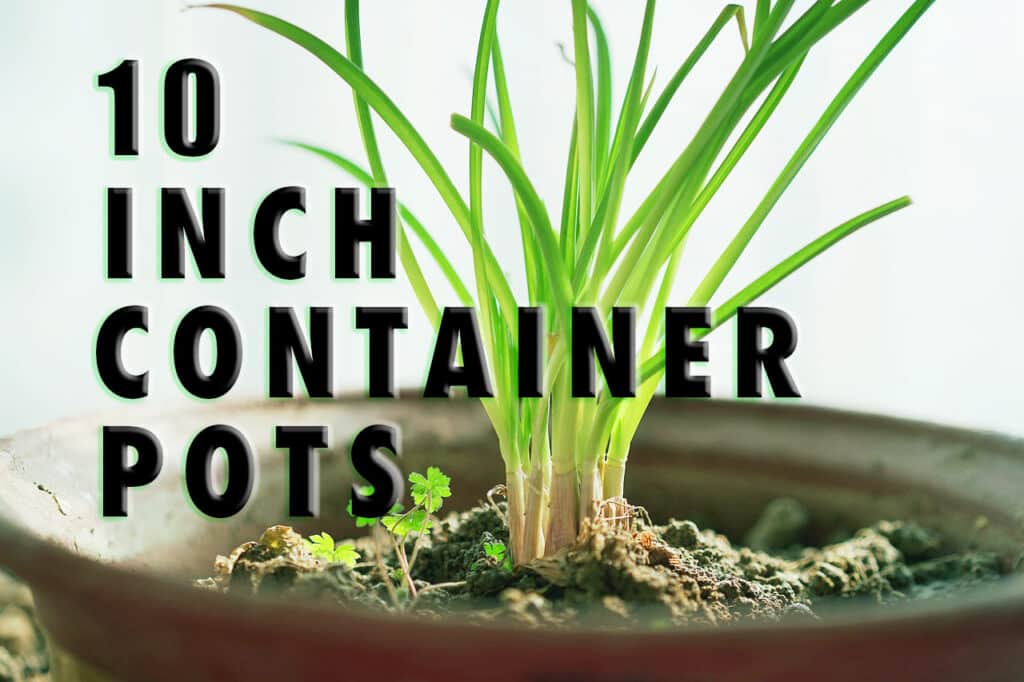
Think you need a backyard to grow fresh vegetables? Think again. A 10-inch container pot on your balcony can produce way more food than you’d expect. These pots hit the sweet spot—big enough for healthy root systems but small enough to fit on compact balconies without maxing out weight limits.
Whether you’ve got full sun or just a few hours of light, there are vegetables that’ll thrive in your space. Let’s dig into the best options for balcony container gardening.
Why 10-Inch Pots Work So Well
Ten-inch pots (measuring across the top) offer about 8-9 inches of depth, which works for most vegetables’ root systems. They’re light enough to move around when you need to chase the sun or bring them in during storms. Plus, they won’t overload your balcony’s weight capacity like larger containers might.
The portability factor is huge for balcony gardening. Sun patterns shift throughout the day and season, so being able to reposition your pots makes all the difference.
What to Consider First
Before you buy seeds, figure out your balcony’s conditions.
Sunlight: Count how many hours of direct sun your balcony gets. Full sun means 6+ hours, partial sun is 3-6 hours, and anything less is shade. This determines what you can actually grow successfully.
Wind: Higher floors get more wind, which dries out soil faster and can damage delicate plants. You might need windbreaks or sturdier plant choices.
Weight: Even a 10-inch pot filled with wet soil can weigh 15-20 pounds. Check your balcony’s weight limits, especially if you’re planning multiple containers.
Best Leafy Greens for 10-Inch Pots
Lettuce
Lettuce is perfect for beginners and small containers. Most varieties have shallow roots and grow fast—you can harvest in 30-45 days. Leaf lettuce works better than head lettuce in containers since you can pick outer leaves and let the center keep producing.
Sun needs: 4-6 hours
Spinach
Spinach does well in cooler weather and tolerates partial shade, making it ideal for balconies that don’t get blazing sun. Plant it in spring or fall for best results. You can harvest baby leaves in just 3-4 weeks.
Sun needs: 3-6 hours
Arugula
This peppery green grows pretty fast, sometimes ready in just 3 weeks. It’s perfect for succession planting every couple weeks to keep fresh greens coming. Arugula also prefers cooler temps and partial shade.
Sun needs: 3-5 hours
Compact Vegetables Perfect for Balconies
Cherry Tomatoes (Dwarf Varieties)
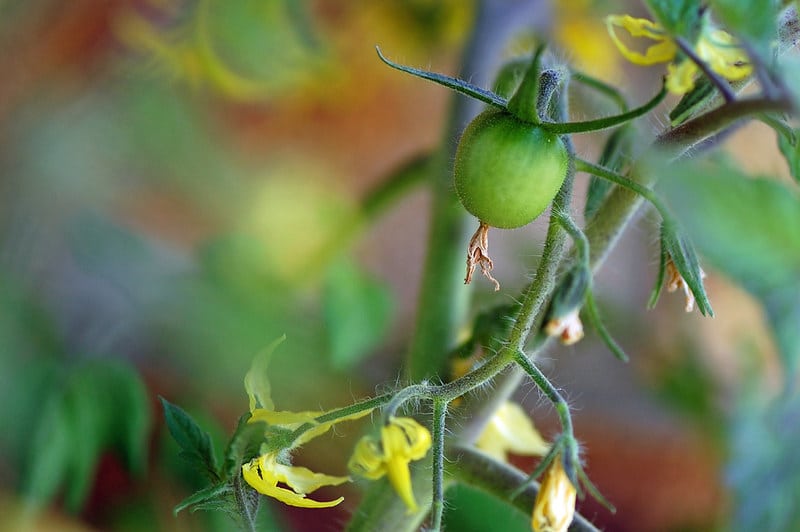
Not all tomatoes work in 10-inch pots, but dwarf varieties do great. Look for Tiny Tim, Tumbling Tom, or Patio Princess. These stay compact (under 2 feet) and still produce tons of fruit. You’ll need a small cage or stake for support.
Sun needs: 6-8 hours
Bush Beans
Skip pole beans and go for bush varieties that don’t need trellising. They produce a concentrated harvest over a few weeks. Plant seeds directly in the pot and you’ll be picking beans in about 50 days.
Sun needs: 6-8 hours
Radishes
Another fast vegetable you can grow, some varieties are ready in 25 days. Radishes have small roots and don’t mind being a bit crowded. Plant them between slower-growing vegetables to maximize space.
Sun needs: 4-6 hours
💡 Pro Tip: Succession plant fast-growing crops like lettuce, arugula, and radishes every 2-3 weeks. This gives you continuous harvests instead of one big batch you can’t eat fast enough.
Herbs That Thrive in Containers
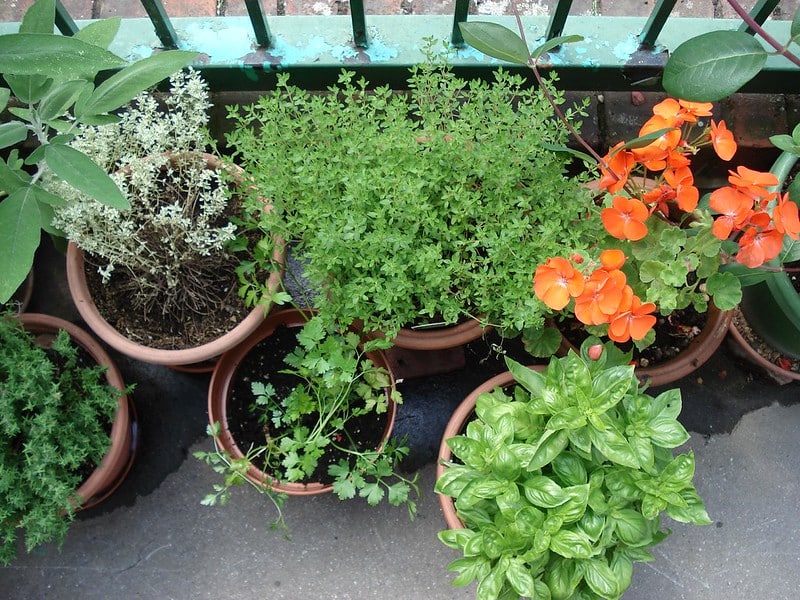
Basil
Basil loves warm weather and containers. Pinch off the top leaves regularly to encourage bushier growth. One plant in a 10-inch pot can provide enough basil for weekly pesto sessions.
Sun needs: 6-8 hours
Parsley
Both flat-leaf and curly parsley do well in containers and tolerate partial shade. Cut outer stems and the plant keeps producing. Parsley is also cold-tolerant, so you can grow it longer than basil.
Sun needs: 4-6 hours
Quick Reference Guide
| Vegetable | Days to Harvest | Sun Requirements | Best Season |
| Lettuce | 30-45 days | 4-6 hours | Spring/Fall |
| Spinach | 40-50 days | 3-6 hours | Spring/Fall |
| Arugula | 20-30 days | 3-5 hours | Spring/Fall |
| Cherry Tomatoes | 60-80 days | 6-8 hours | Summer |
| Bush Beans | 50-60 days | 6-8 hours | Summer |
| Radishes | 25-35 days | 4-6 hours | Spring/Fall |
| Basil | 30-40 days | 6-8 hours | Summer |
| Parsley | 70-90 days | 4-6 hours | Year-round |
Container Setup Essentials
Use quality potting mix, not garden soil. Potting mix is lighter (important for balconies) and drains better. Mix in some compost for nutrients.
Drainage is non-negotiable. Your 10-inch pots need holes in the bottom. Elevate pots slightly with pot feet or a small platform so excess water can escape.
For watering, balcony containers dry out faster than garden beds due to wind and sun exposure. Check soil daily by sticking your finger an inch deep; if it’s dry, water thoroughly until it runs out the drainage holes.
⚠️ Common Mistake: Don’t plant full-size vegetable varieties in 10-inch pots. Always look for compact, dwarf, bush, or patio varieties specifically bred for container growing. A regular tomato plant will get rootbound and stressed.
Making the Most of Your Space
Group plants with similar water and sun needs together. This makes maintenance easier and you’re not overwatering some while others stay dry.
When one crop finishes, immediately replant with something new. Lettuce done in late spring? Why not pop in some basil for summer. Moves like this keep your balcony productive year-round.
For more detailed watering schedules and techniques, check out our guide on how often to water indoor plants; the same principles apply to balcony containers.
Final Thoughts
A 10-inch pot might seem small, but it’s capable of producing real food. Start with one or two pots of easy crops like lettuce or radishes. Once you see how simple it is, you’ll be filling your whole balcony.
The best part? You’re eating vegetables you grew yourself, just steps from your kitchen. That’s pretty cool, no matter how small your space is.
What vegetables are you growing on your balcony? Share your setup in the comments!