
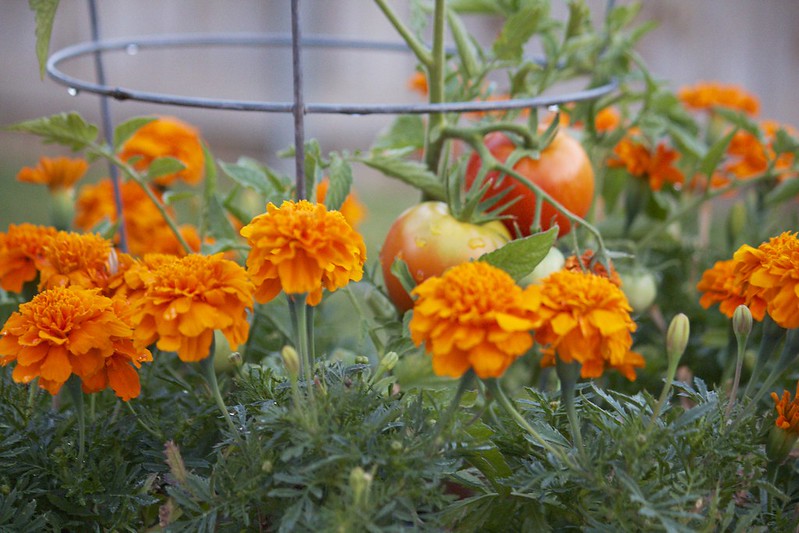
How to turn your container garden into a POWERHOUSE of growth? The answer lies in the art of companion planting!
“You can definitely do this even if you’re low on space.”
Small space? No problem. Companion planting in containers allows you to grow more, repel pests naturally, and create a colorful, productive garden all in one pot.
Why Companion Planting Works
Companion planting is all about teamwork for your plants. By pairing plants that complement each other, you create an environment where they grow stronger, healthier, and more resilient.
“Certain plants defend other plants. They keep harmful pests away, so you don’t have to rely on chemicals.”
In containers, tall plants like tomatoes or peppers can shade smaller herbs, while flowers like marigolds or nasturtiums keep bugs at bay. The result? A natural, thriving little ecosystem.
Top Companion Pairings for Containers
Here are some of the easiest and most rewarding combos:
🍅 Tomatoes + Basil
“They go great together in the kitchen and in the garden too.
Basil keeps aphids away, while tomatoes give you that juicy harvest. Plus the scent is heavenly.”
🥬 Lettuce + Radishes
“Lettuce shades the soil for radishes, keeping them cool. Radishes loosen the soil for better airflow — perfect for fast results in small pots.”
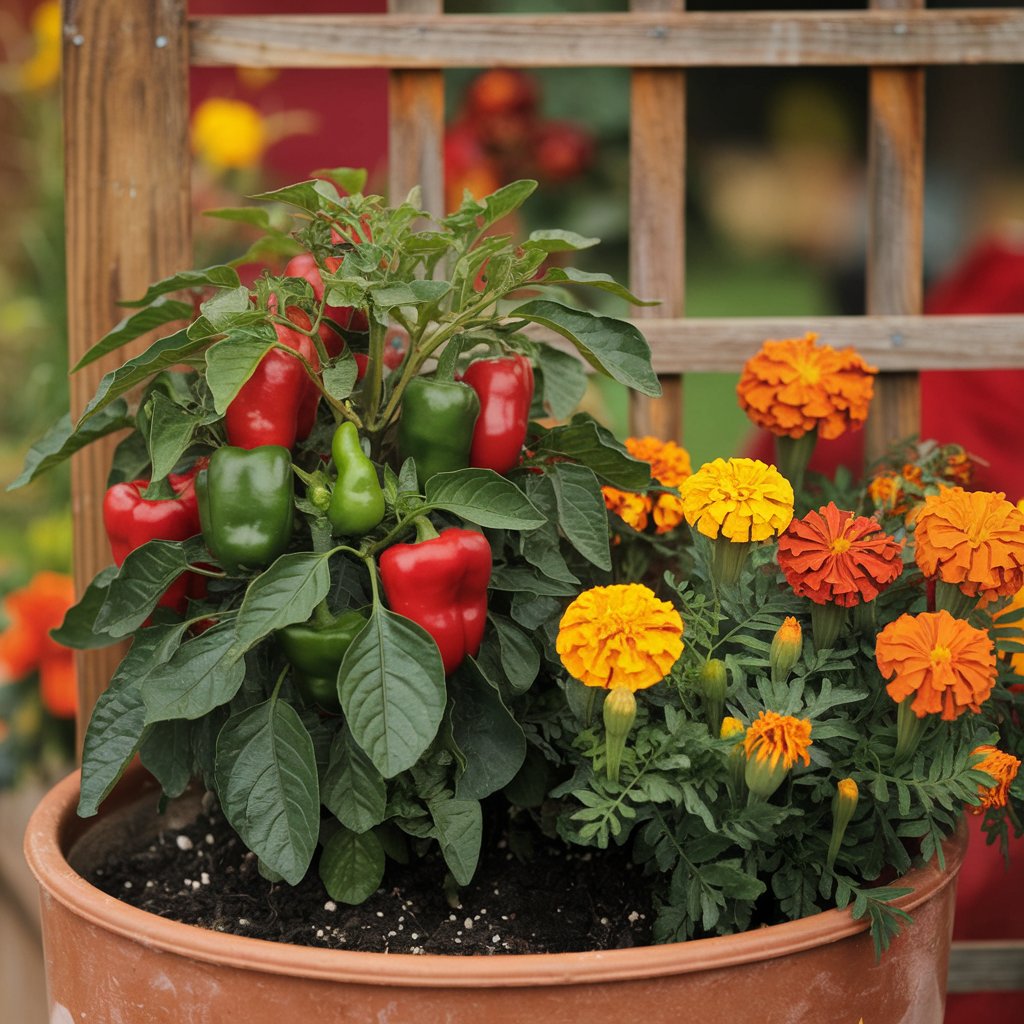
🌶️ Peppers + Marigolds
“Bright colors, pest control, and a bold display. Marigolds keep insects away while peppers stand out in any container.”
🥕 Carrots + Chives
“Chives ward off pests and grow upright, giving containers extra vertical interest.”
🥒 Cucumbers + Nasturtiums
“Cucumbers climb, nasturtiums trail beautifully over edges, and together they deter aphids naturally.”
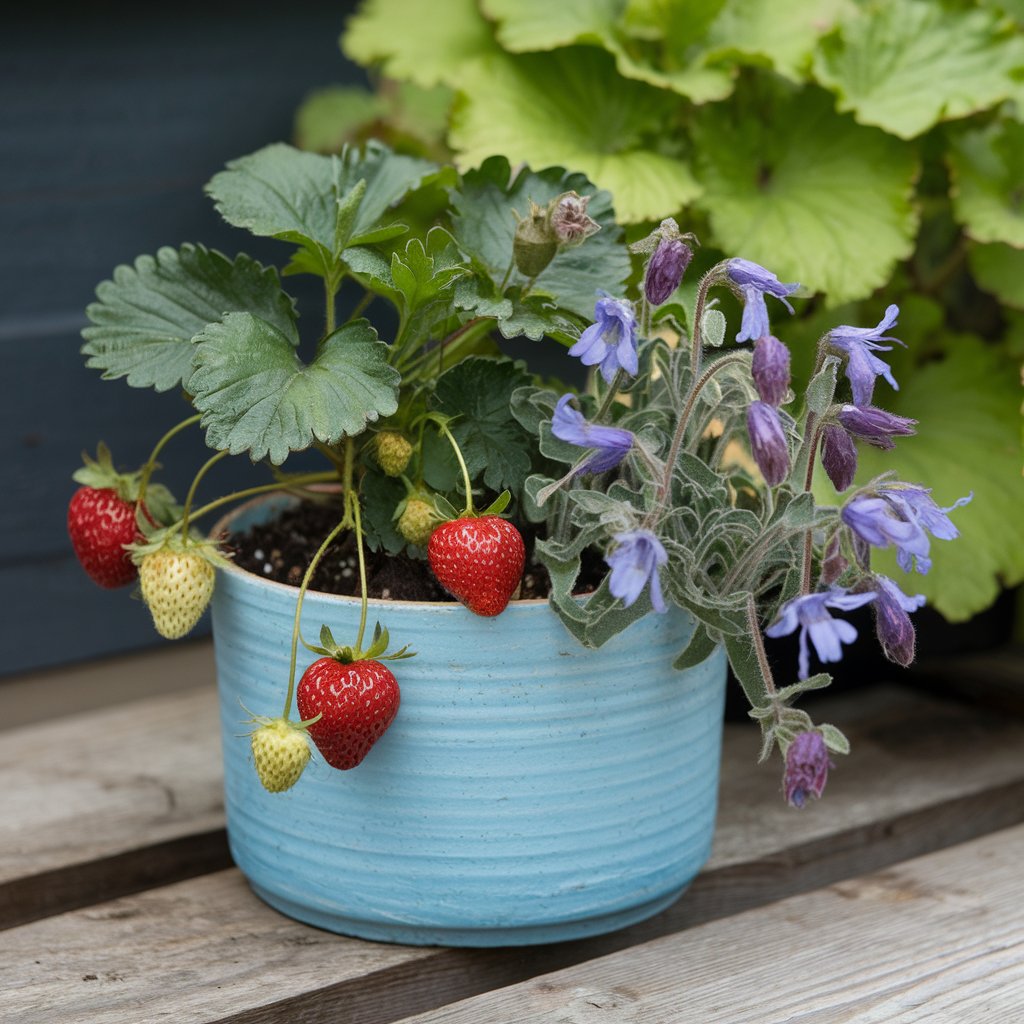
🍓 Strawberries + Borage
“Blue borage blooms attract pollinators and enhance strawberry flavor; functional and gorgeous.”
🥒 Zucchini + Beans
“Beans fix nitrogen in the soil while climbing, leaving space for zucchini to spread — a space-saving superstar combo.”
These pairings are just the beginning. Companion planting in containers lets you experiment with different combinations to find what works best for your space, your style, and your plants. The key is to mix plants that benefit one another while creating a visually pleasing and functional garden.
Designing Beautiful Container Displays
“Sometimes you just want to mix plants with contrasting colors; it adds that wow factor.”
Tips for a stunning look:
- Contrast colors: Red tomatoes with green basil, orange marigolds with purple eggplants.
- Mix textures: Feathery dill next to bold kale leaves creates visual depth.
- Follow thriller, filler, spiller:
- Thriller: tall, attention-grabbing plant (tomato/pepper)
- Filler: mid-height plants (herbs/flowers)
- Spiller: trailing plants (nasturtiums/strawberries)
“This gives your containers a dynamic, multidimensional look that draws the eye and keeps your garden feeling alive.”
Contrasting Colors
Pairing plants with different hues adds instant impact to your containers. For example, mix the vibrant red of tomatoes with the deep green of basil, or the bright orange of marigolds with the rich purples of eggplants. These combos pop visually, creating containers that stand out on your patio or balcony.
Texture
Combining plants with varying leaf shapes and sizes adds depth to your containers. Pair fine-textured herbs like dill with bold, leafy vegetables like kale. The visual contrast creates interest, while the plants work together to boost each other’s growth.
Height Matters
To create a balanced display, use a “thriller, filler, spiller” approach. Choose a tall, attention-grabbing plant (thriller) like a tomato or pepper, surround it with medium-height fillers like herbs or flowers, and let trailing plants like nasturtiums spill over the edges. This creates a dynamic, multi-dimensional container that draws the eye and keeps your garden looking fresh and full.
Seasonal Changes
Switch out plants as the seasons shift, creating new combinations that keep your containers vibrant year-round. A spring pairing of lettuce and pansies can give way to summer’s bold tomatoes and basil, keeping your space alive with color and flavor throughout the year.
By focusing on both function and form, companion planting in containers allows you to create stunning displays that not only perform but also elevate the look of your garden. For container garden design inspiration, visit this awesome post from Better Homes & Gardens.
Grow. Experiment. Enjoy.
“Just get your pots together, pick your favorite plants, and start experimenting.”
You can learn more about companion planting with our post The Benefits of Companion Planting. Share your experiences and discoveries with fellow gardeners—whether it’s in a local gardening group, on social media, or through your own blog.