
As the air turns crisp and the leaves begin to change, you might think your gardening season is coming to an end—but fall is actually the perfect time for fall container gardening. With the right plants and a few simple fall container gardening tips and tweaks, your patio, balcony, or backyard can stay vibrant well into the cooler months.
If you’re just starting out with container gardening, check out our guide on cultivating green spaces in limited places for more ideas on how to make the most of small outdoor areas.
Whether you’re looking to grow hearty veggies or add a splash of seasonal color, fall container gardening is a fantastic way to make the most of this time of year. Here are some fun and easy fall container gardening tips to help you create a cozy autumn oasis.
Fall Container Gardening Aesthetics: Designing Cozy Spaces
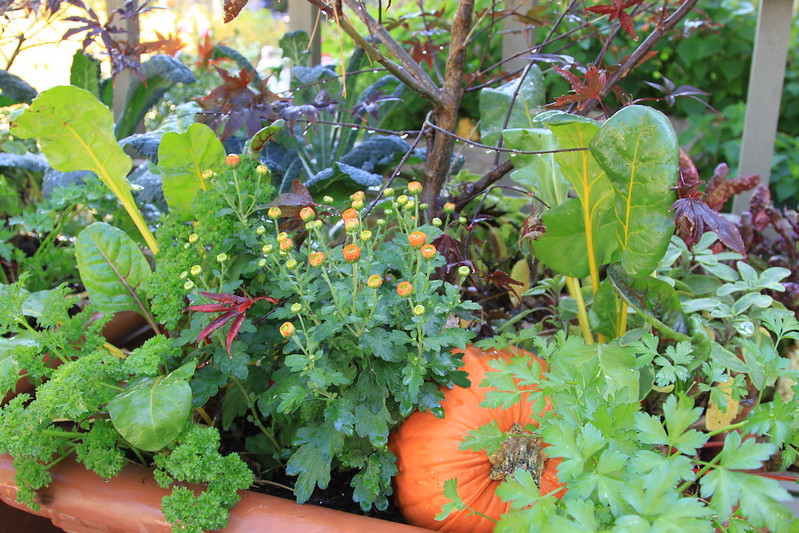
Fall is a season of rich, warm colors and bold textures, and your container garden can reflect that seasonal charm. When designing your fall containers, think beyond the typical summer blooms and aim for a mix of plants that embody the spirit of autumn.
Start by choosing containers that complement the season. Warm-toned pots in shades of terra cotta, copper, or even deep greens can set the tone. You can also add decorative elements like pumpkins, gourds, or rustic accents to enhance the autumnal vibe.
For the plants themselves, consider using a mix of colors, shapes, and textures. Think about combining deep reds, oranges, and yellows with cooler tones like purples and greens.
Ornamental grasses can add height and movement, while cascading vines like ivy or sweet potato vine can soften the edges of your containers. Mix in hardy perennials and shrubs with evergreens or foliage plants to ensure your containers stay full and lush through the season.
Designing your fall container garden with a balance of height, filler plants, and cascading elements will give your space a cozy yet vibrant feel that captures the essence of autumn. Incorporating a few expert fall container gardening tips can further enhance the look and longevity of your seasonal setup.
How to Prepare Your Containers
As the seasons change, so should the setup of your containers. Fall weather can bring cooler temperatures, more moisture, and sometimes even frost, so it’s important to make sure your containers and soil are ready for the transition.
Clean Out Summer Plants
First things first—if you’ve been growing summer plants in your containers, it’s time to clean them out. Remove any annuals that have run their course, and if you’re dealing with perennial plants, give them a trim to encourage healthy growth. This cleanup clears the way for your fall plants, guaranteeing your containers are fresh and ready for the new season.
Use the Right Soil Mix
For fall, you’ll want to make sure your soil mix is well-draining yet capable of holding some moisture. The cooler weather means your plants won’t dry out as quickly, but you also want to avoid waterlogged roots. A good mix of high-quality potting soil with some added compost will give your plants the nutrients they need while maintaining the right moisture balance.
Check Drainage
Make sure your containers have proper drainage before planting. While it’s tempting to think that more moisture is good in cooler weather, soggy soil can lead to root rot. If your containers don’t have drainage holes, consider drilling some, or add a layer of gravel or broken pottery at the bottom to prevent water from pooling.
Consider Mulching
Adding a thin layer of mulch to the top of your containers can help regulate soil temperature and retain moisture. Mulch acts as a protective barrier, keeping the soil warmer during cool nights and helping to keep roots from freezing if temperatures suddenly drop.
Best Plants for Fall Container Gardening
One of the most exciting parts of fall container gardening is selecting plants that thrive in cooler weather. These fall container gardening tips can help you choose the best cool-season vegetables, colorful flowers, and hardy perennials to keep your containers thriving.
The fall season brings an opportunity to switch up your containers with hardy plants that can handle the changing conditions and still look great as the temperatures drop.
Cool-Season Vegetables
Fall is perfect for growing certain vegetables in containers, especially cool-season crops that thrive in lower temperatures. Some of the best options for fall include leafy greens like kale, spinach, and lettuce. You can also plant root vegetables such as radishes and carrots—they’re easy to grow in containers and can even tolerate a light frost. Don’t forget about herbs like cilantro and parsley, which tend to do well as the weather cools down. Check out our guide on Herb Gardening 101: A Guide to Growing and Utilizing Fresh Herbs for tips on growing cilantro, parsley, and more.”
Colorful Fall Flowers
If you want to add a splash of color to your fall containers, there are plenty of flowers that flourish in cooler weather. Pansies and violas are popular choices because they’re frost-tolerant and bloom beautifully in fall. Mums (chrysanthemums) are another favorite, known for their vibrant hues and ability to handle chilly conditions. You could also consider ornamental cabbage and kale, which not only provide striking foliage but also add texture and depth to your fall display.
Hardy Perennials and Shrubs
For those looking to keep their containers looking good beyond fall, consider adding some hardy perennials or shrubs. Heuchera (coral bells) and sedum are great choices for fall because of their vibrant colors and resilience in colder weather. For more structure and interest, small evergreen shrubs like boxwood or juniper can make excellent container plants and give your space a polished look well into winter.
Maintaining Fall Containers: Watering, Fertilizing, and General Care
Once your fall container garden is up and running, it’s important to maintain it properly to keep your plants thriving throughout the season. Cooler temperatures bring different care needs, so let’s talk about how to keep your containers looking their best.
Adjusting Your Watering Routine
With the drop in temperature, you’ll notice that your containers don’t dry out as quickly as they do in the summer. This means you won’t need to water as frequently, but it’s still important to check your plants regularly.
Water in the morning to give the soil time to absorb moisture before the cooler evenings. Always ensure the soil remains evenly moist but not waterlogged—overwatering can lead to root rot, especially in cooler weather.
If you’re using containers with good drainage, this becomes a bit easier, but it’s always good practice to monitor the moisture level. A simple way to check? Stick your finger into the soil about an inch deep—if it feels dry at that level, it’s time to water.
Fall Fertilizing: Less is More
In fall, plants naturally slow down their growth, so they don’t need as much fertilizer as in the spring and summer. Over-fertilizing can harm plants, especially when they’re preparing to go dormant or are simply growing more slowly. Use a balanced, slow-release fertilizer at the start of the season to give your plants the nutrients they need without overwhelming them. For leafy greens or vegetables, you can add a bit of organic compost to the soil to gently feed your plants through the fall.
Deadheading and Pruning
To keep your container garden looking fresh, deadheading spent flowers and a light pruning of perennials removing any damaged or dying leaves can go a long way. By following these fall container gardening tips, you’ll ensure your containers stay vibrant and healthy through the cooler months.This not only improves the appearance of your garden but also encourages continued blooming for flowers like mums and pansies. For perennial plants and shrubs, a light pruning can help maintain their shape and encourage healthy growth in the next season.
Extending the Season: Tips for Cold Protection and Transitioning to Winter
Fall container gardening doesn’t have to come to an abrupt end when the temperatures start to drop. With a few simple strategies, you can extend the life of your plants and even prepare them for the winter season. Here’s how to protect your containers and keep your garden thriving for as long as possible.
Frost Protection for Delicate Plants
As nighttime temperatures dip, frost can become a concern for certain plants. If you have tender perennials or late-blooming flowers, protect them from frost by moving containers closer to your home’s walls or under an overhang where they’re sheltered from the cold.
On particularly chilly nights, cover your plants with frost blankets or even an old bed sheet to trap heat and protect the foliage from freezing temperatures. Just be sure to remove the coverings in the morning so the plants can breathe.
 | Plant Covers Easy drawstring at the opening makes it easier and quicker to cover plants during harsh weather. |
Choosing Containers for Cold Weather
Not all containers are built for fall and winter. If you’re planning to keep your plants going as long as possible, select containers made from materials that can withstand cold temperatures, such as fiberglass, wood, or heavy-duty plastic. Terracotta pots are prone to cracking when the temperature fluctuates, so it’s best to avoid using those for late-season gardening unless you bring them indoors. For plants that are more sensitive to cold, insulate the containers by wrapping them in burlap or bubble wrap to help protect the roots from freezing.
Transitioning to Winter Containers
As fall turns to winter, some of your plants will naturally start to die back, but that doesn’t mean your container garden has to be empty. Consider transitioning to a winter container garden by swapping out fall flowers for evergreens like dwarf spruce, winterberry, or ornamental kale.
These plants can withstand cold weather and will add a splash of green (or red, in the case of winterberry) to your space even when the rest of your garden goes dormant.
You can also use mulch or straw around the base of your plants to help insulate the soil and protect roots from freezing. This extra layer of protection will help keep perennials in containers going strong until spring.
Conclusion: Savor the Beauty of Fall with Your Container Garden
Fall container gardening is all about embracing the beauty and changes that come with the season. With a bit of creativity, you can enjoy vibrant colors, rich textures, and even some late-season harvests from your containers.
If you’re experimenting with ornamental grasses, filling your pots with cool-season veggies, or preparing your containers for the colder months ahead, fall offers plenty of opportunities to keep your containers thriving during this crisp and colorful season!