
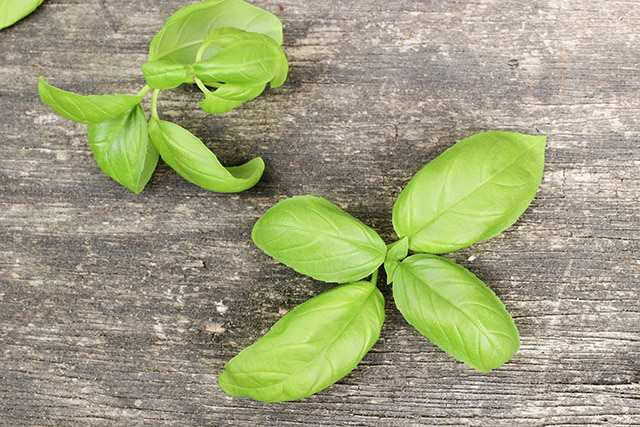
Basil is a staple in summer gardens and kitchens alike, known for its fresh flavor and fragrant leaves. But despite what the seed packets may say, basil can be a bit picky. In this candid conversation, Chris shares firsthand tips on starting basil from seed, keeping it healthy, and using it in everyday meals.
Start Basil from Seed (and Why Sand Helps)
Buying basil seedlings can be expensive. Starting from seed is more cost-effective and surprisingly easy with the right method.
“It’s better to start your own seeds. You can mix about a tablespoon of seeds with a tablespoon of sand. That way, when you sprinkle the mix, you’re not clumping all the seeds together. Basil is really tender, so when you try to separate crowded seedlings, they break easily. Three broken seedlings? That’s five dollars at the store.”
Don’t Believe Everything on the Seed Packet
Sun-loving? Sort of. Basil likes light but not harsh, blazing sun.
“The seed packet always says they like sun. I say they all lie! Maybe it’s true for certain types, but most basil doesn’t like too much heat. Their leaves are so tender, like spinach, they get harmed fast. If the sun’s too harsh, give them shade. I used to keep mine under a tent.”
Basil Loves Containers (and a Little Shade)
Because of its delicate nature, basil grows well in containers that can be moved around to get the right amount of sun and shade.
“I grow mine in containers so I can control the environment. You can start basil indoors if it’s still cold outside, just don’t bring it out too soon. If the weather’s too chilly, basil will die.”
Feeding and Soil Tips
For bigger basil leaves and better harvests, feeding the soil is key.
“If you don’t feed it enough, you won’t get big leaves. When transplanting basil, mix food into the soil—just like with tomatoes. Then every two or three months, freshen up the soil a little.”
Moisture Matters, But Don’t Drown It
Basil needs moisture, but too much water can lead to problems. It’s a balance.
“You don’t want to drown plants, you know. Yeah, they want moisture. But if your plant is sweltering because it dried out, go ahead and soak it. Put the whole container in a bowl of water for 10–20 minutes. Slowly, they’ll come back up.”
Using Basil in the Kitchen
This herb is more than just a garnish—it’s a flavor powerhouse.
“You can use basil in salads, on pasta, or with fish. But don’t cook it too much. I like to just add it fresh at the end—after everything is cooked, mix in the basil and that’s it.”
“My number one way to use basil is pesto. Lots of basil, lots of garlic—put that on everything!”
Final Thoughts
Basil may look simple, but it certainly has its quirks; tender leaves, light feeding needs, and a taste for moderate sun. Start from seed, give it room to breathe, and treat it like the culinary gem it is.
Basil and tomatoes are classic companions. Take a look at our advice on growing tomatoes for the perfect pairing in your garden and kitchen.