
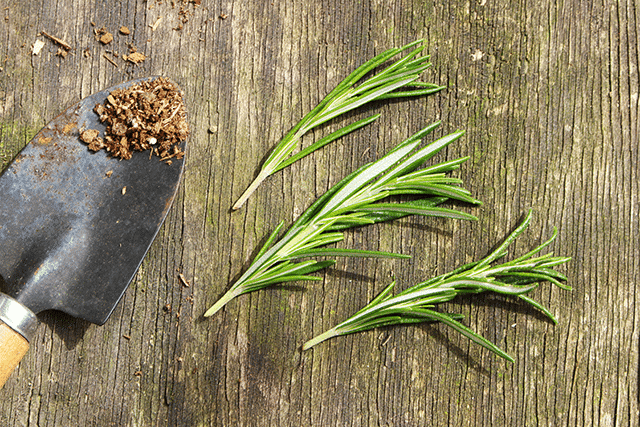
Growing rosemary doesn’t take much. Add sun, a little space, and a light touch. In return? Bold flavor, fresh fragrance, and a good-looking plant that holds its own in any garden or windowsill.
If you’ve been thinking about growing it but don’t know where to start, this post is for you. A few basics are all it takes to keep rosemary thriving and your kitchen stocked.
If you’re building out your herb garden, basil is another must-have. Check out our guide on how to grow basil for fresh flavors right from your garden.
What Makes Rosemary a Garden Favorite?
Rosemary thrives in dry conditions, doesn’t need much attention, and stays evergreen in many climates. It’s fantastic for cooking, aesthetics, and adding fragrance to your garden or windowsill.
“Rosemary quietly does it all. Its leaves release a bold piney scent when brushed, and the delicate purple-blue flowers attract bees — pollinators love it.”
How Do You Plant Rosemary?
Use well-draining soil—sandy or loamy works best. Give plants space to breathe: about 2 to 3 feet apart to prevent mildew. If planting in containers, pick pots with drainage holes and use quality potting mix blended with sand or perlite.
“Rosemary loves the sun. Give it at least 6 to 8 hours of direct sunlight daily to keep that full, bushy shape.”
Watering and Feeding Tips
“Rosemary likes things dry—water only when the top inches of soil feel dry. No soggy bottoms, especially in pots.”
In-ground plants usually don’t need watering unless it’s bone dry. Feeding is optional—light spring feeding with an all-purpose or organic fertilizer is enough if you want to be generous.
Pruning Rosemary
“Once rosemary hits 6 to 8 inches tall, start pinching the soft tips. The more you snip, the bushier it grows.”
Avoid woody stems near the base—they don’t bounce back. Snip dry or leggy bits to keep the plant tidy and flavorful.
How to Use Rosemary in the Kitchen
I first met rosemary back in 1998, working at an Italian restaurant in Washington, DC. On the menu was the Pizzetta, a thin flatbread topped with Parmesan and rosemary. Dip a warm slice in olive oil and your taste buds sang. That simple appetizer made rosemary unforgettable for me.
“Rosemary adds bold, savory flavor to roasted veggies, potatoes, breads, meats, and marinades. A little goes a long way.”
It works beautifully fresh or infused—like rosemary simple syrup or infused olive oil.
Beyond the kitchen, it’s just as versatile. Fresh sprigs dress up wreaths, herbal bundles, or even gift wrap with a fragrant touch. You’ll also see rosemary popping up in homemade cleaning sprays, bath soaks, and all over the DIY corners of Pinterest and Etsy.
Conclusion
Growing rosemary is a small win that delivers big. A bit of sun, well-draining soil, and a light pruning touch here and there, and you’ve got an evergreen herb that flavors meals and adds garden charm year-round.
If you’re planning an herb garden, our Herb Gardening Hub is full of easy growers that pair perfectly with rosemary.
It just might become your go-to. And if it does, we’d love to hear how rosemary’s growing in your space.