
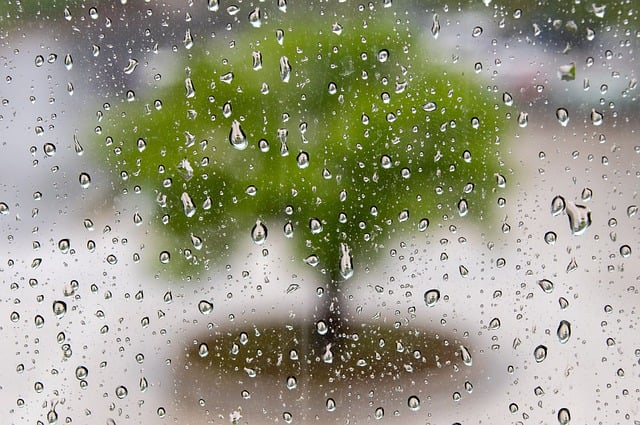
When I moved to the PNW in February 2018, it rained for two months straight. Coming from the East Coast, I traded snow and freezing temps for endless drizzle. Honestly? I’ll take it.
Here’s some insight on growing vegetables when the sky won’t shut off.
Pick Plants That Like Being Wet
Not all vegetables handle constant rain well. These do:
Kale, spinach, broccoli, and mustard greens thrive in wet, cool weather. Plant them spring and fall.
Carrots, beets, and radishes grow underground where they don’t care what’s happening up top. Low maintenance and rain-resistant.
Rhubarb, asparagus, and perennial kale come back year after year. They love the rain.
Here’s when to plant and harvest each one:
🌧️ PNW Planting Calendar 🌱
Because rain shouldn’t stop you from growing food
Fix Your Drainage or Die Trying
Soggy soil = dead plants. Test yours by digging a hole, filling it with water, and timing how long it drains. If it takes hours, you’ve got a problem.
Quick fixes:
- Mix sand and compost into your soil
- Build raised beds (awesome for PNW gardens)
- Add more compost; it improves drainage AND feeds your plants
Raised beds are worth it. They keep roots dry, let you control soil quality, and look way tidier than muddy garden rows.
Deal With All That Water
A thick layer around your plants slows runoff, prevents erosion, and blocks weeds. It’s a raincoat for your garden.
Free water for dry spells (yes, we get those). Set up barrels under downspouts.
If your yard looks like a lake, install swales or French drains to move water away from plants.
Protect Plants From Getting Pummeled
Row Covers
Shield young plants from heavy downpours and trap warmth for faster growth.
Cloches
Individual plant umbrellas that create cozy microclimates for seedlings.
Polytunnels
Cover whole rows and extend your growing season rain or shine.
Staking
Keep tall plants upright with cages, bamboo stakes, or simple string supports.
Bottom Line
PNW gardening isn’t hard once you accept that rain is your reality. Choose the right plants, fix your drainage, and give veggies some protection when storms hit. The rain becomes an advantage instead of a problem.
Your neighbors will wonder how you’re growing so much food while they’re complaining about the weather.