
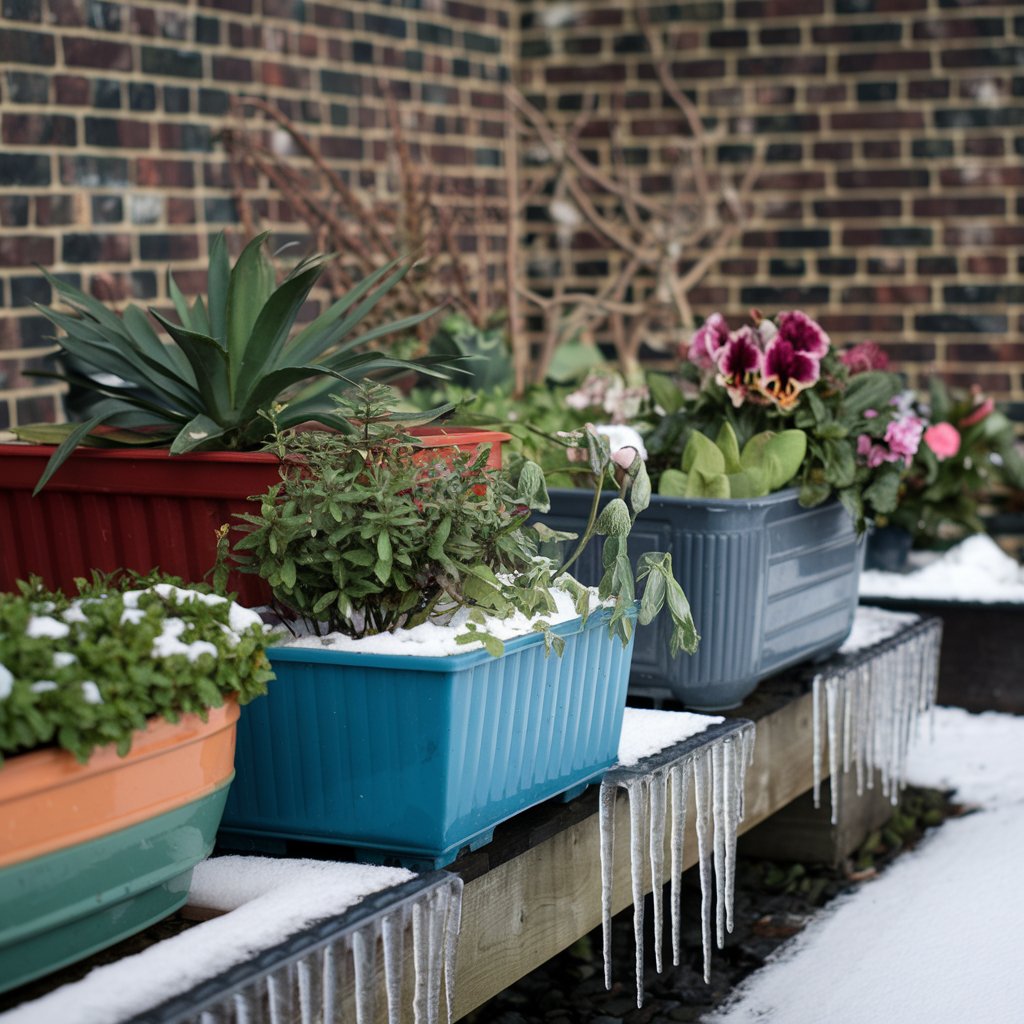
Winter containers can be just as vibrant and productive as summer ones; you just need to know a few tricks. We sat down with Cris, who’s been growing gorgeous winter containers in Zone 9 for many years, to get the real scoop on what works (and what’s a waste of time).
Why Bother with Winter Containers?
When the rest of your garden goes dormant, containers keep things interesting.
“Winter containers add life to your outdoor spaces when everything else looks dead. Plus, you can grow actual food when grocery store produce is expensive and tasteless.”
Whether you’re after colorful displays or fresh greens for dinner, winter containers deliver. Let’s check out the plant varieties that can handle the chilly pot.
Evergreens for Structure
Dwarf spruces and boxwoods provide that lush, green backbone throughout winter.
“They’re your foundation plants. Everything else builds around them.”
Bold Color Choices
Ornamental cabbage and kale aren’t just for looking at—they’re edible too.
“They thrive in cold weather and bring texture that summer plants can’t match.”
For actual flowers in winter, pansies and hellebores are your best bet.
“Pansies will bloom even when there’s snow on the ground. It’s wild.”
Growing Food in Winter Containers
Cold-hardy vegetables like kale, Swiss chard, and winter lettuces survive frosty nights and keep producing.
“I grow kale and chard in containers all winter. Just harvest the outer leaves and they keep going. Fresh greens in January? Yeah, maybe I’m spoiled.”
Herbs like thyme and sage also handle winter well, offering both culinary uses and fragrant greenery.
Container Material Matters
Here’s where people mess up: they use the same pots year-round.
Skip the Terracotta
“Terracotta looks great, but it’ll crack in freezing temps. I learned that the hard way after losing six pots one winter.”
Stick with plastic, ceramic, or resin containers. They insulate better and won’t shatter when ice forms.
Insulation Tricks
“Wrap your containers with bubble wrap or burlap if you’re expecting a serious cold snap. It keeps the soil temperature stable and prevents those sudden freezes that kill roots.”
Size and Drainage
Bigger is better in winter.
“Larger containers hold more soil, which insulates roots better. Plus, they won’t freeze solid as quickly as small pots.”
Make sure drainage holes are clear.
“With winter rains and melting snow, waterlogged containers turn into ice blocks. Your plants’ roots can’t survive that.”
Elevate containers slightly off the ground to prevent water from pooling at the base.
Protecting from Frost
Winter doesn’t mess around, and your containers need backup.
Frost Covers
“On really cold nights, throw frost blankets or even old sheets over your plants. Remove them during the day so plants get sunlight.”
For extra-delicate plants, cold frames work like mini greenhouses.
Cold Frame Raised Plants Bed Protection
Learn More
Smart Positioning
Location changes everything in winter.
“Put containers near south-facing walls or brick structures. They absorb heat during the day and radiate it back at night. I’ve had plants survive five degrees warmer just from good positioning.”
On brutal nights, move vulnerable containers to covered patios or even indoors temporarily.
“It’s easier to move a pot than replant in spring.”
Soil and Watering in Winter
This is where beginners really struggle.
The Right Soil Mix
“You want well-draining soil that doesn’t hold too much moisture. Mix standard potting soil with compost or peat moss for insulation and aeration.”
Wet soil freezes and damages roots.
“Think of compost as a blanket for your plants’ roots—it keeps them safe from temperature swings.”
When to Water
Timing is everything.
“Water in the middle of the day when temps are warmest. Give plants time to absorb moisture before evening chill sets in. Morning or evening watering just creates ice.”
Check soil moisture by feel.
“If the top inch is dry, water—but don’t overdo it. Winter plants need way less water than summer ones because they’re growing slower.”
Winter Maintenance
Once your containers are set up, maintenance is pretty straightforward.
Pruning and Deadheading
Remove dead or damaged growth to prevent disease.
“In damp, cold conditions, rot spreads fast. Clean up your plants on milder days.”
For winter-blooming plants like pansies, deadhead spent flowers.
“It keeps energy focused on survival instead of trying to make seeds.”
Mulch for Insulation
A thick layer of organic mulch on top of the soil adds warmth to the root zone.
“Straw, wood chips, or shredded leaves work great. Mound it around the base of plants for extra protection during cold snaps.”
For more details on mulching benefits and techniques, check out our guide on the benefits of mulching.
Designing Beautiful Winter Containers
Function is great, but winter containers should look good too.
Structure and Texture
“Focus on interesting forms of grasses, twigs, evergreen shrubs. Blue fescue and ornamental sedges add movement and catch frost beautifully in the mornings.”
Bare branches like red-twig dogwood or curly willow create height and visual drama.
Adding Color
Winterberry holly and coral bark Japanese maple bring bright reds and yellows when everything else is gray.
“Layer in pansies and violas for soft blues and purples. They bloom even in cold weather and contrast beautifully with evergreens.”
Don’t forget decorative elements.
“Colorful pots, pinecones, frost-proof ornaments can be fun. Winter doesn’t have to be boring.”
Final Thoughts
Winter container gardening is rewarding once you get the hang of it. With cold-hardy plants, proper insulation, and smart positioning, your containers can thrive through the coldest months.
Many of these container techniques work perfectly with cold-hardy vegetables too. Check out our guide to cold-hardy vegetables for specific crops that thrive in winter conditions.
What are you growing in your winter containers? Share your setup in the comments below!